Baby & Kids Wear
Baby and Children’s Clothing Manufacturer
Looking for a reliable baby and children’s clothing manufacturer? Discover how K&B Tekstil’s 25+ years of production expertise, organic certifications, and end-to-end manufacturing process can help you confidently launch and grow your children’s wear brand.
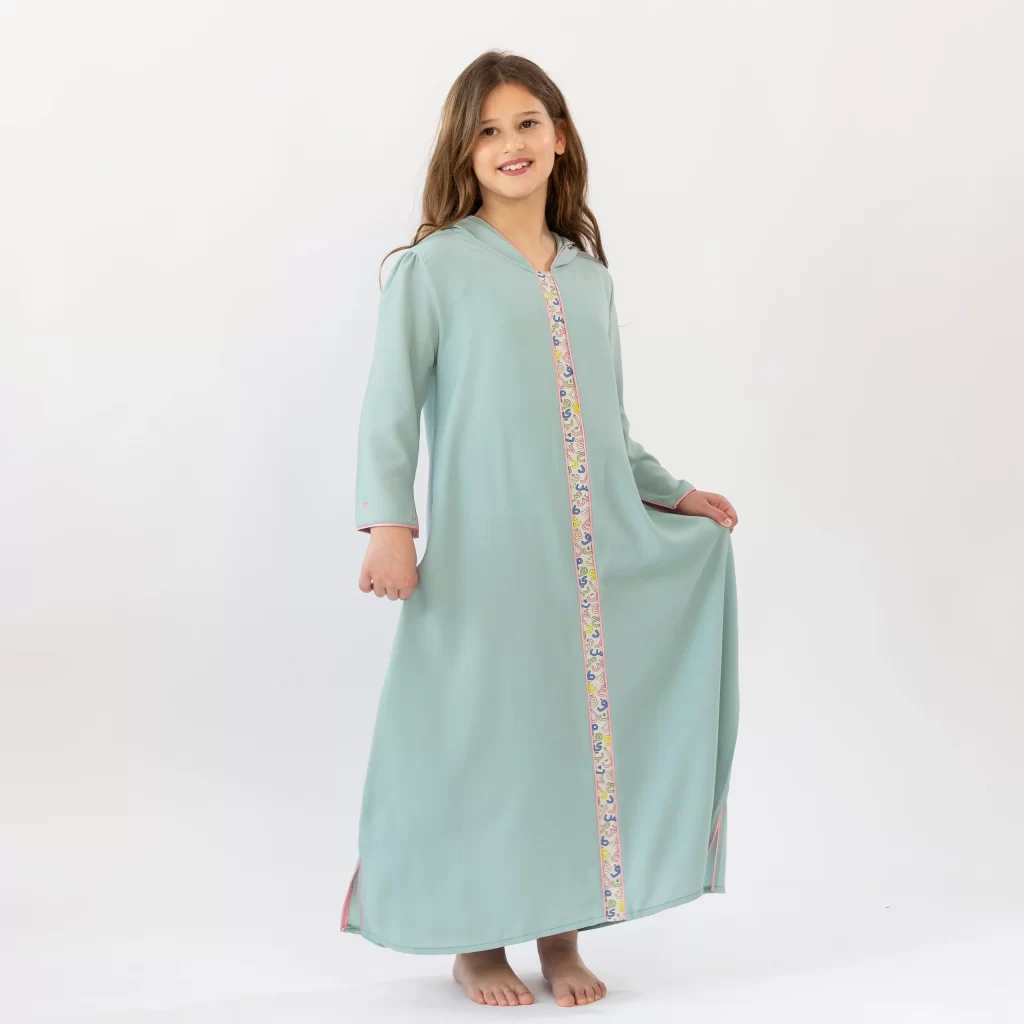
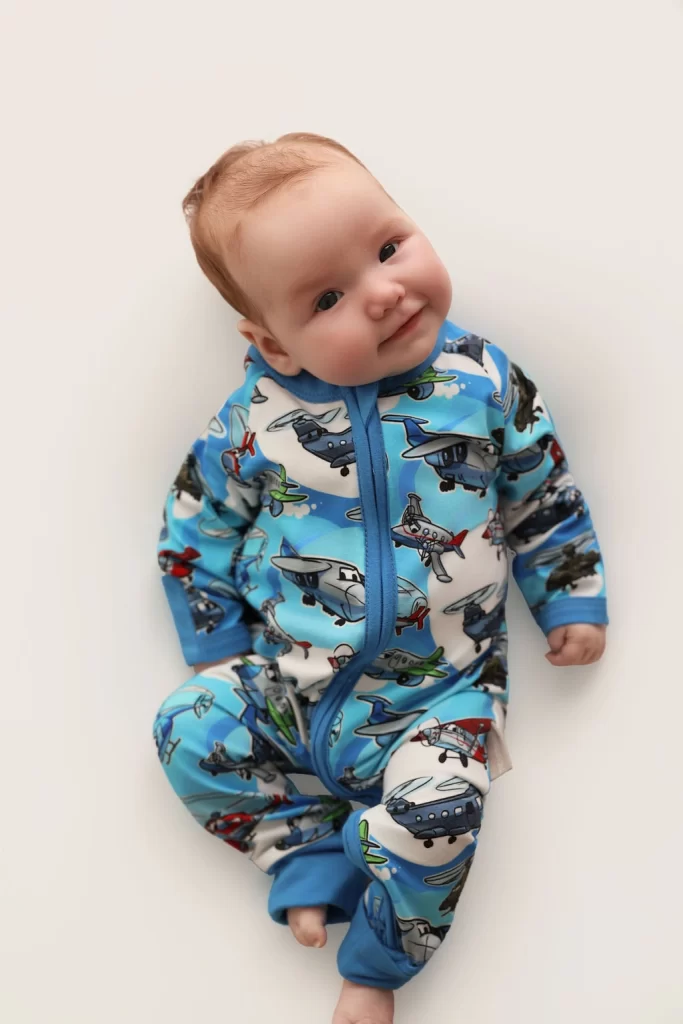
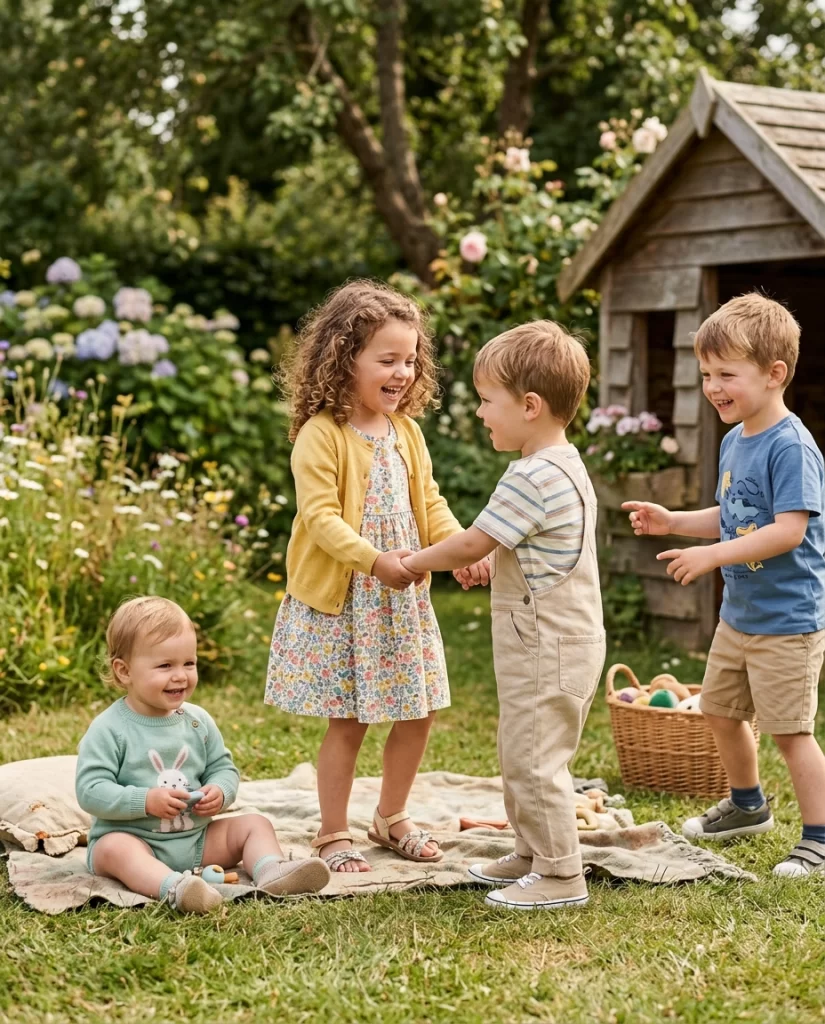
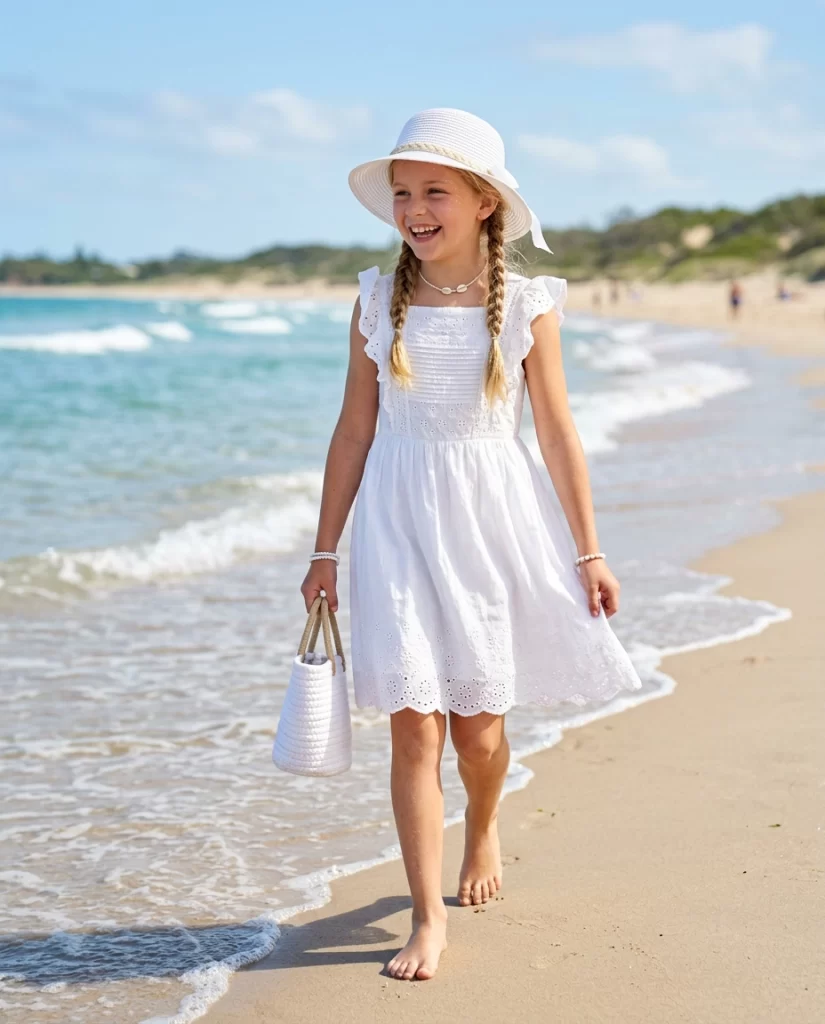
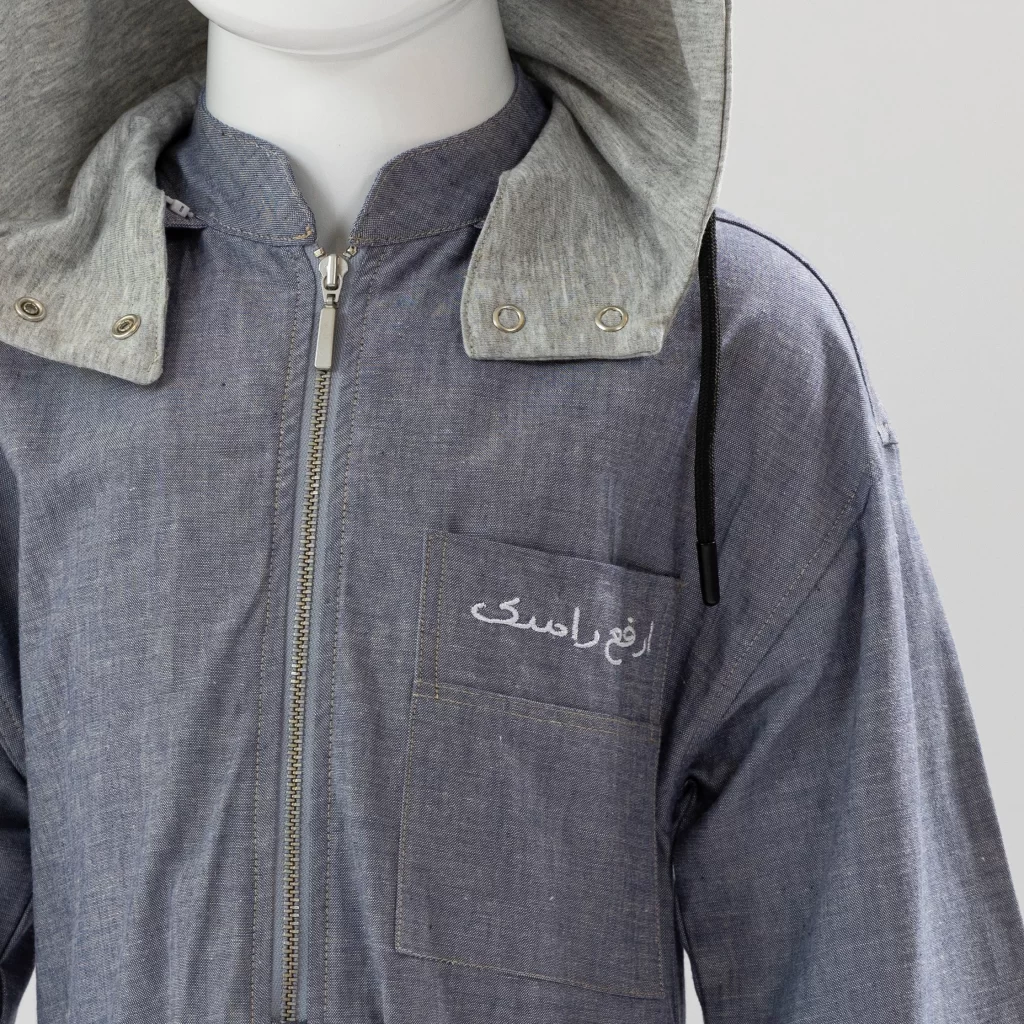
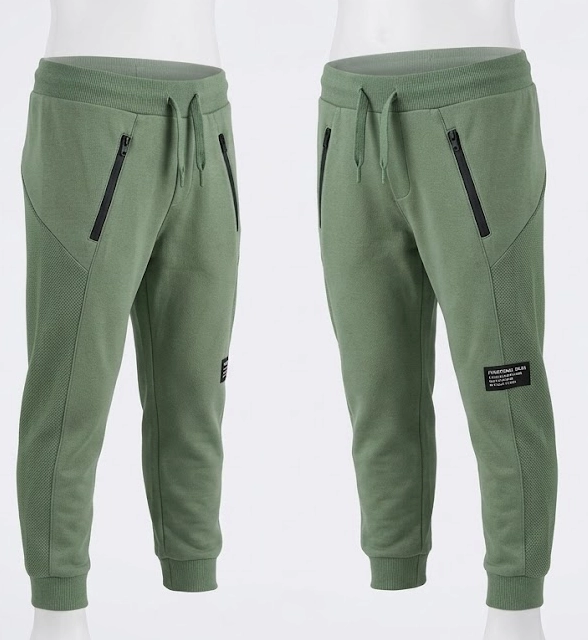
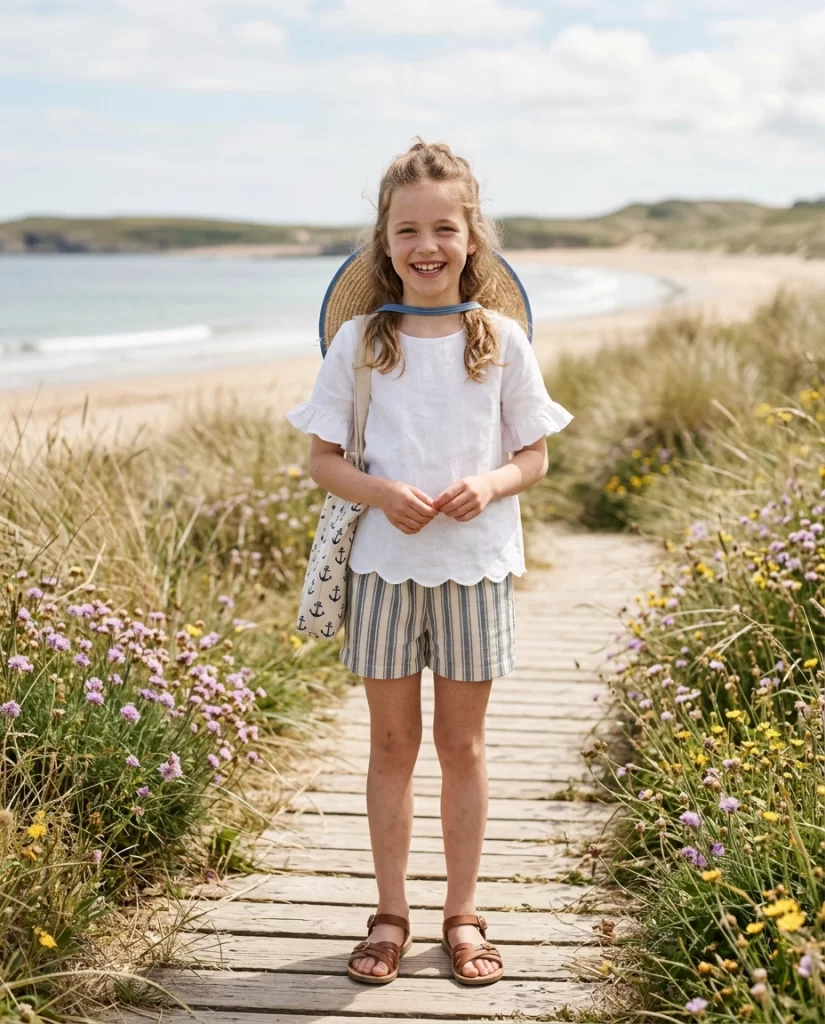
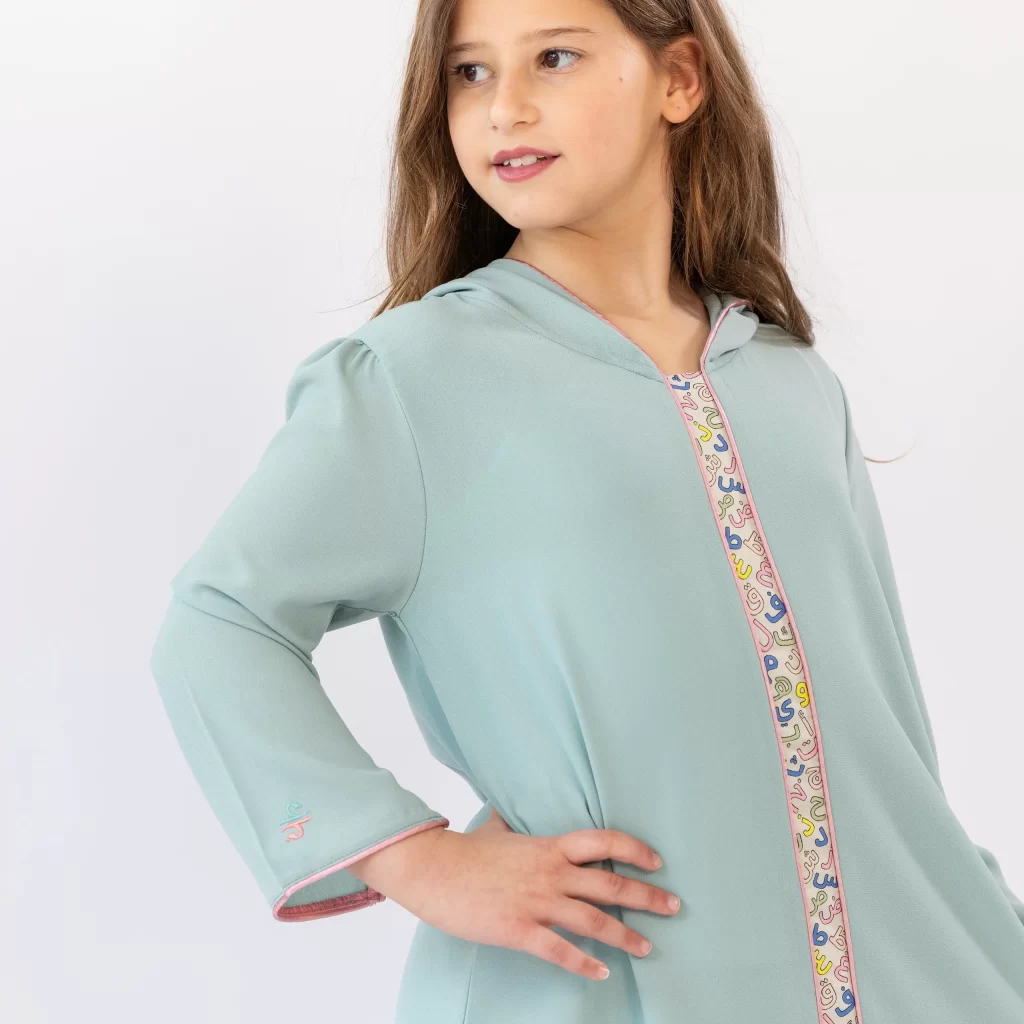
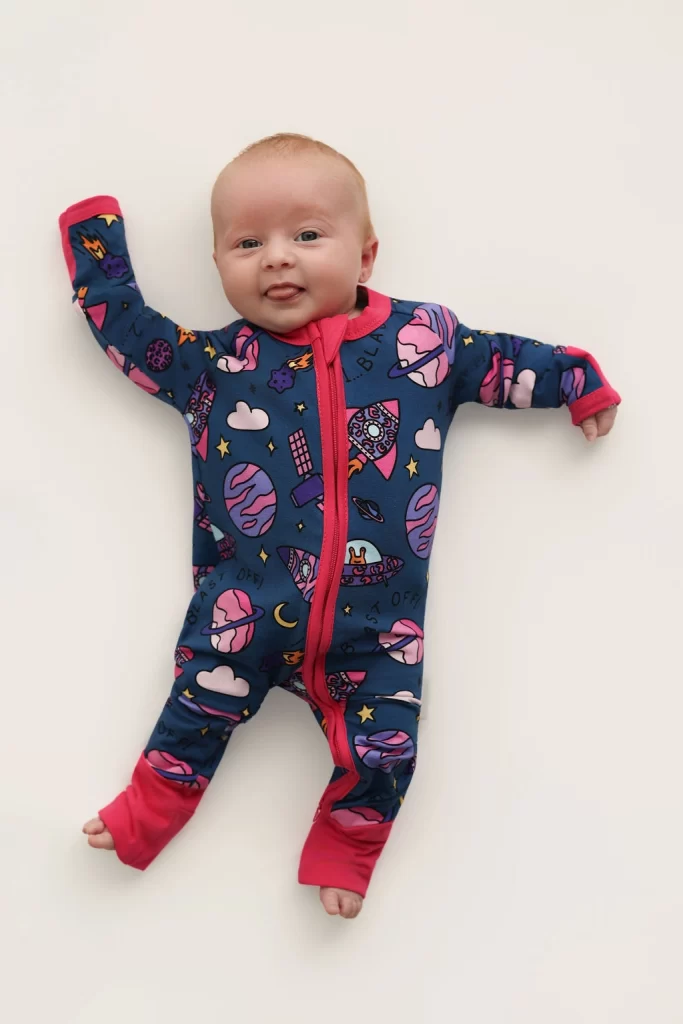
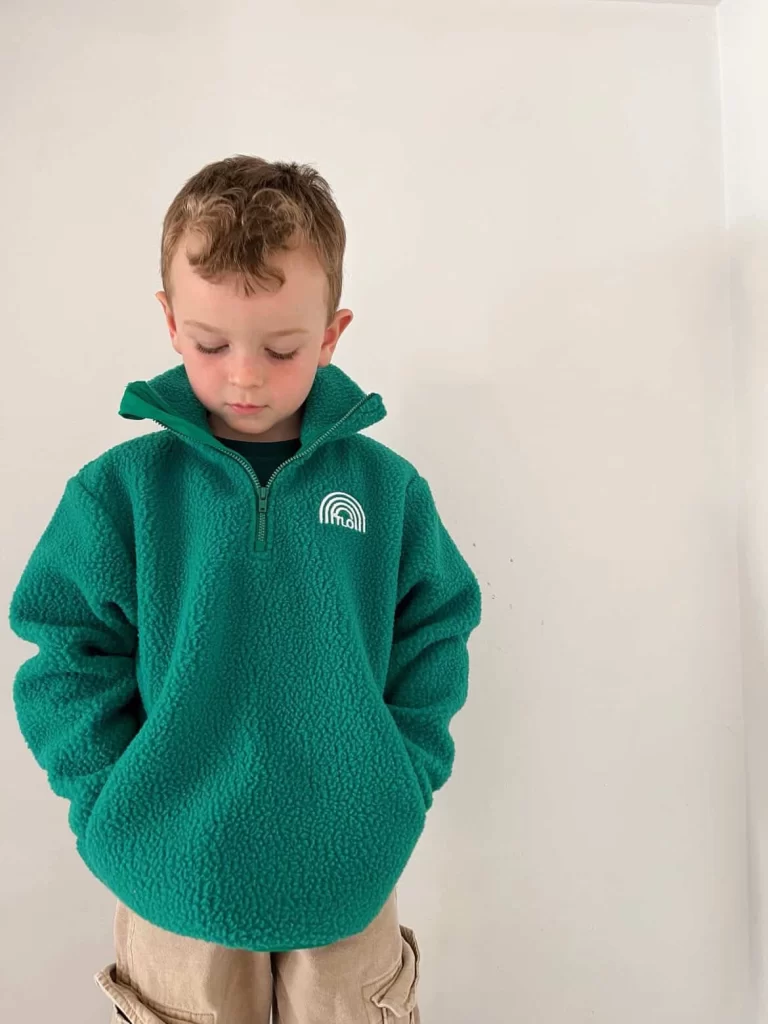
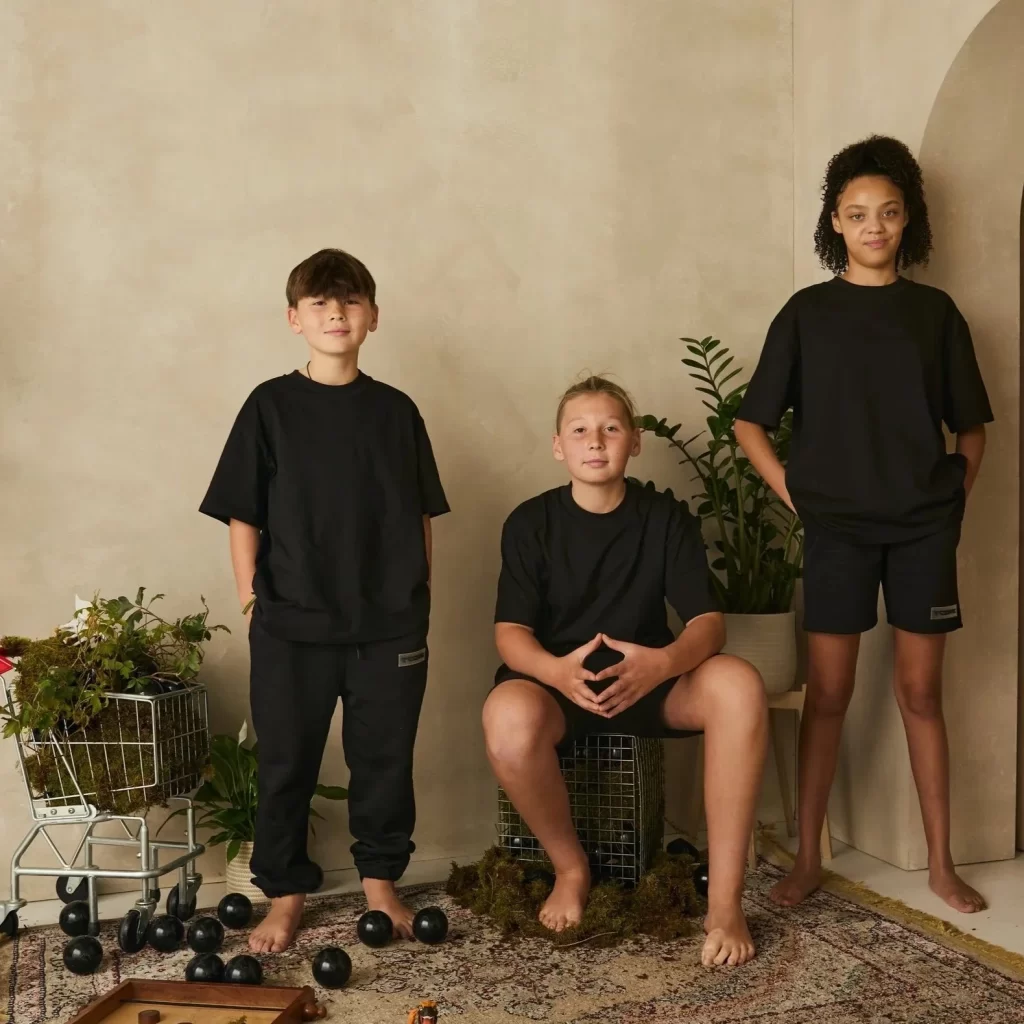
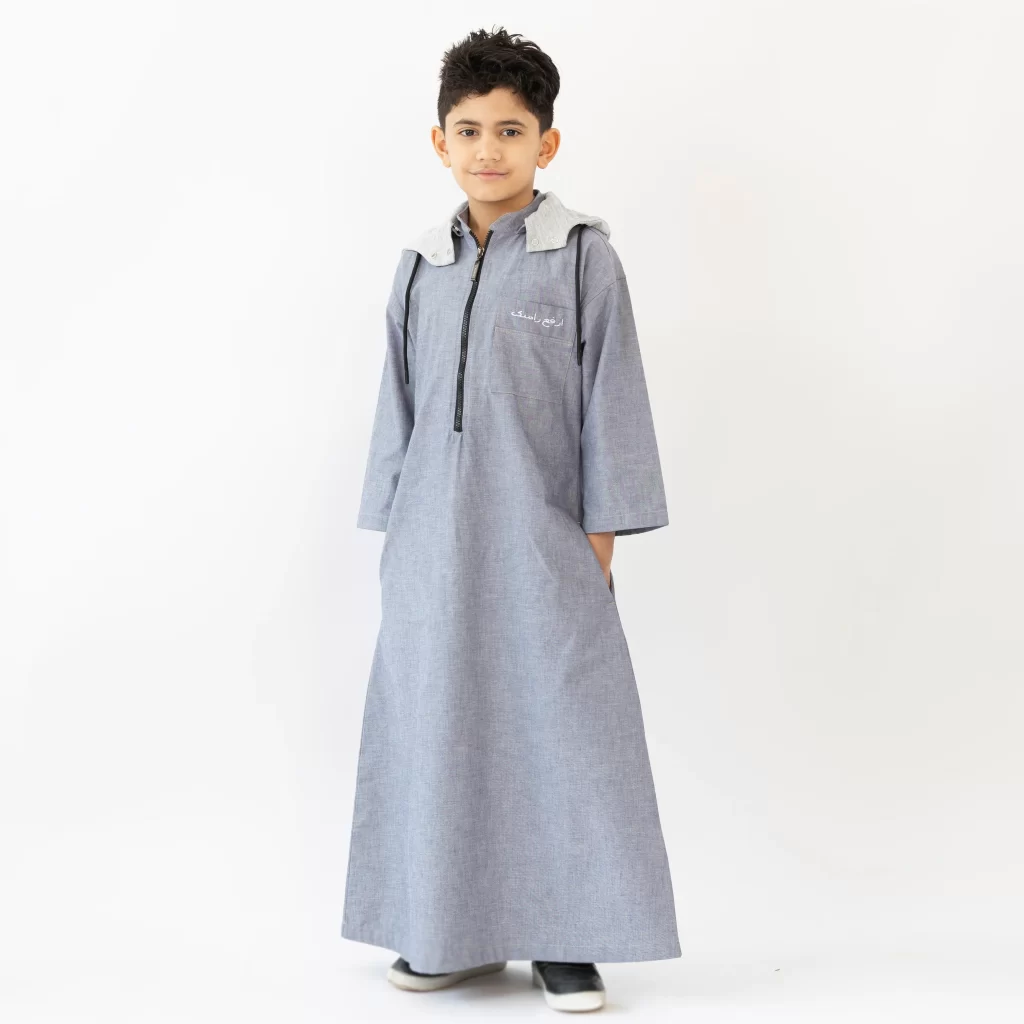
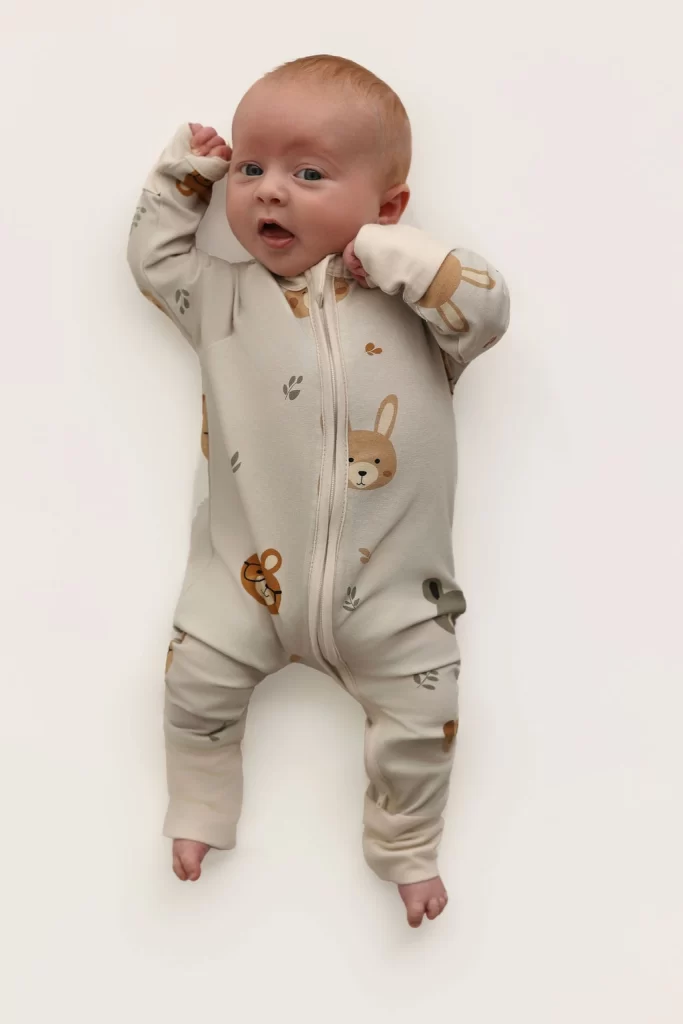
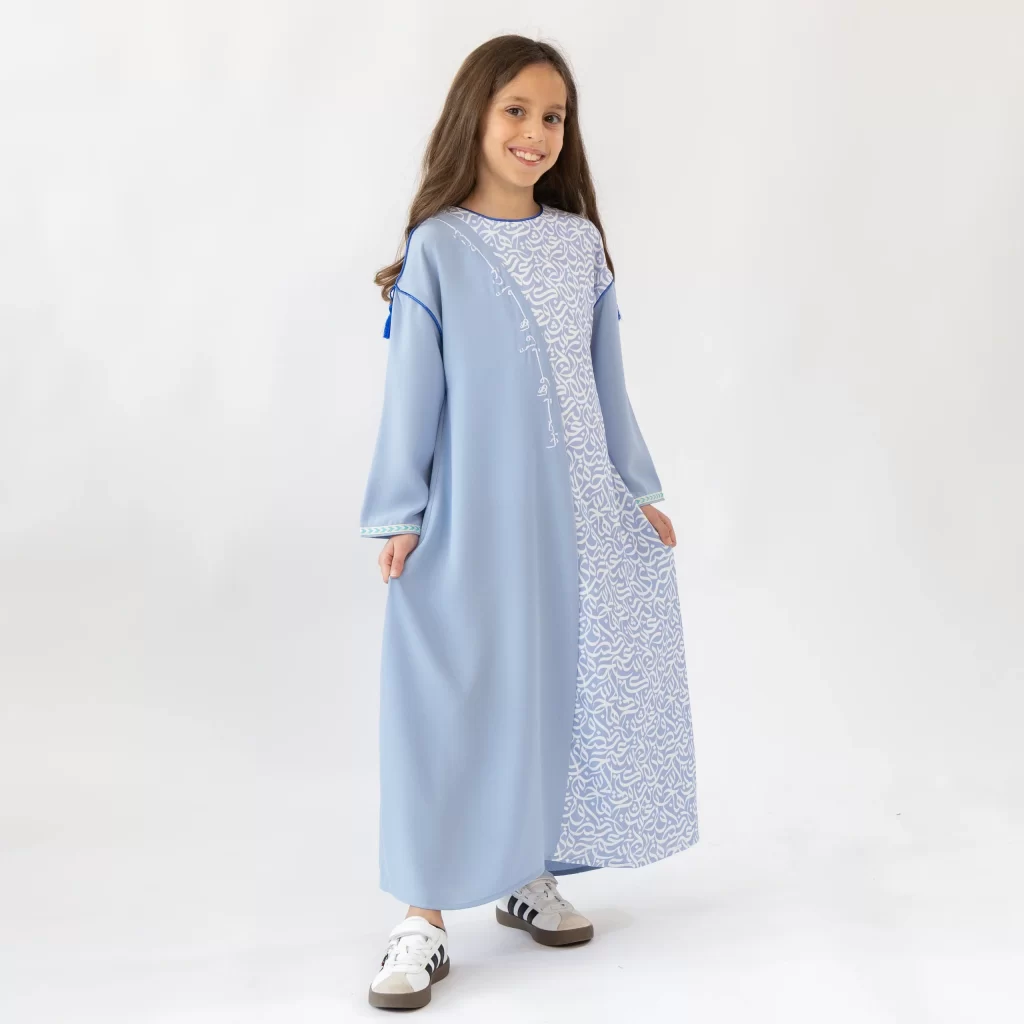
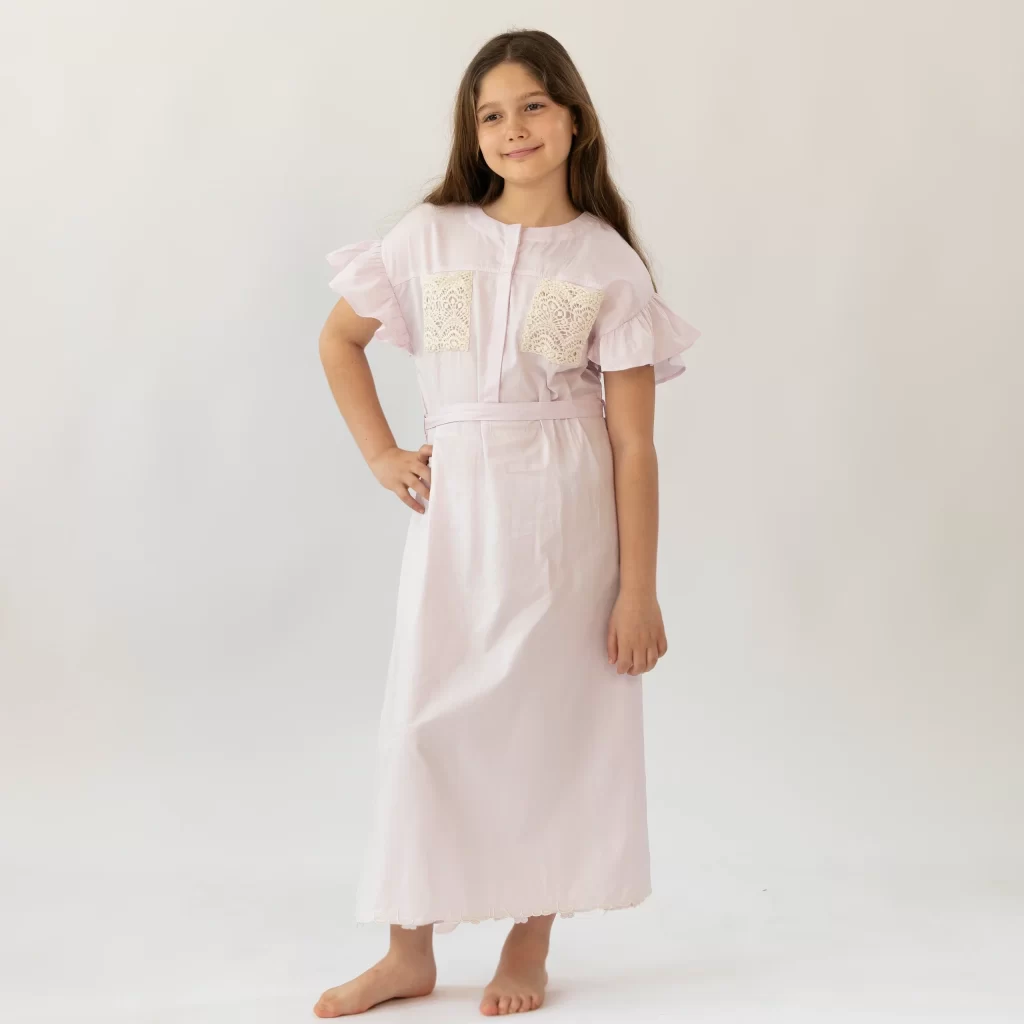
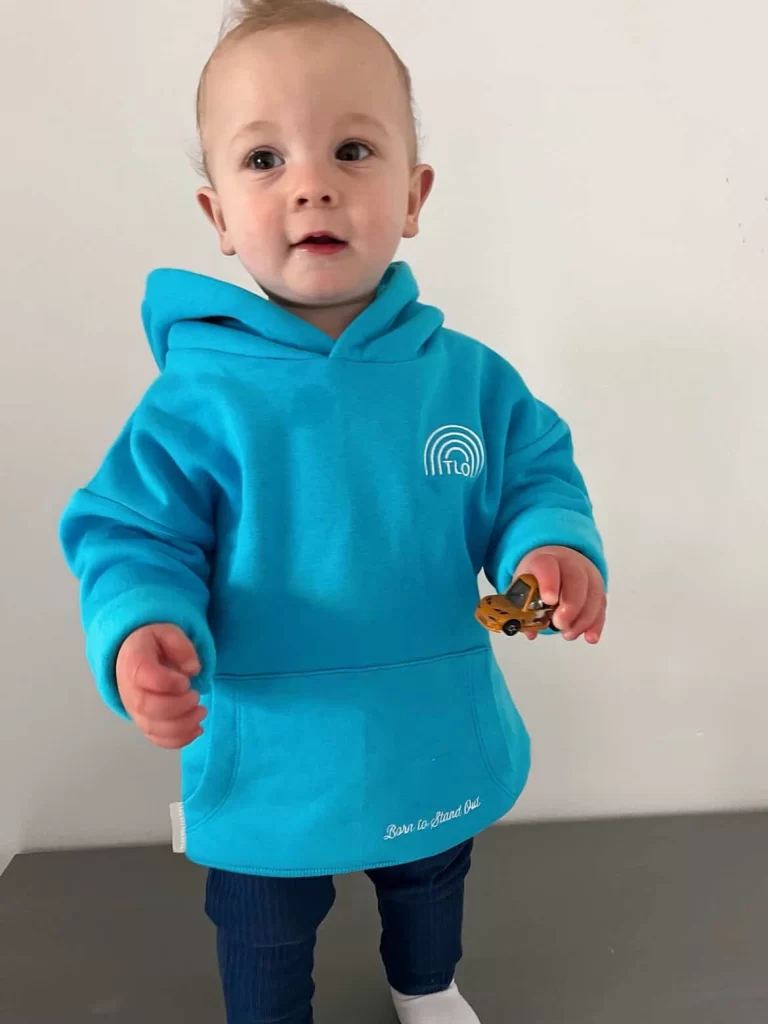
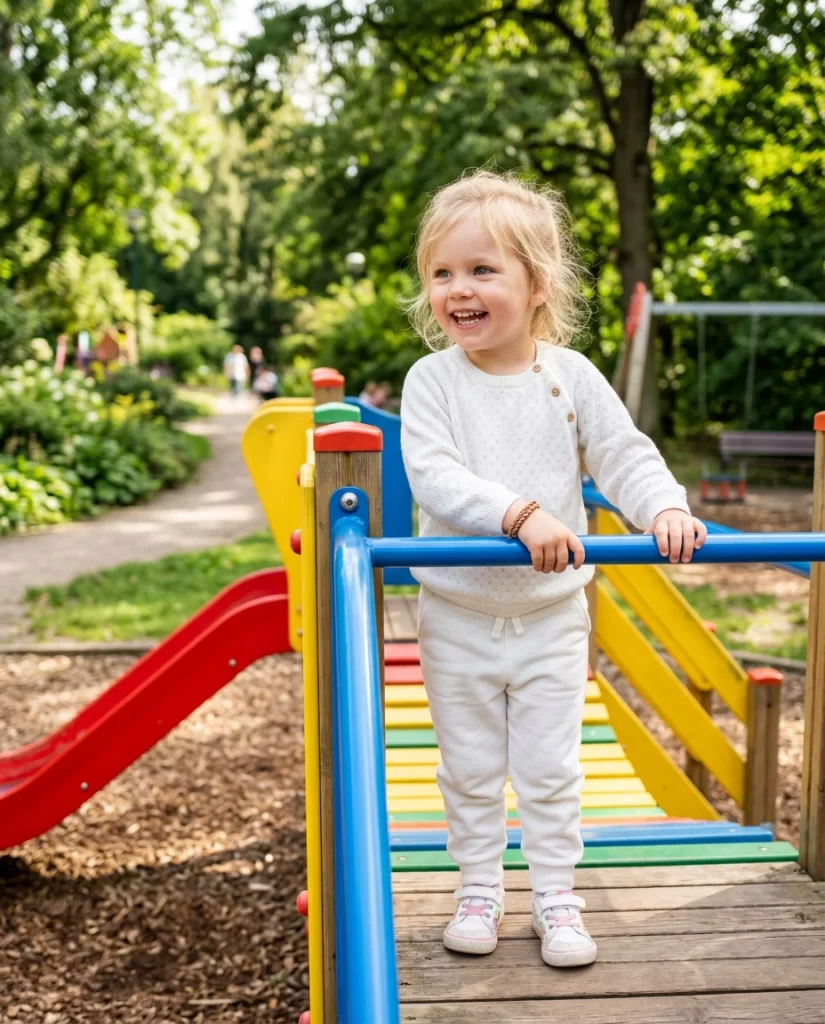
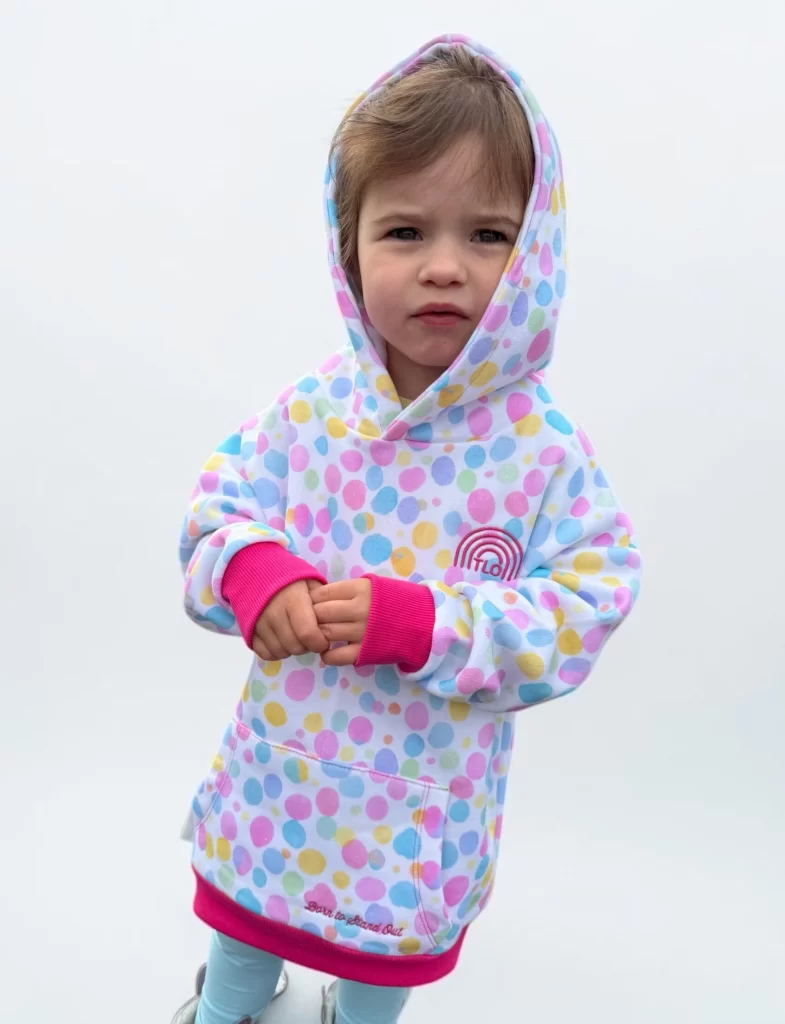
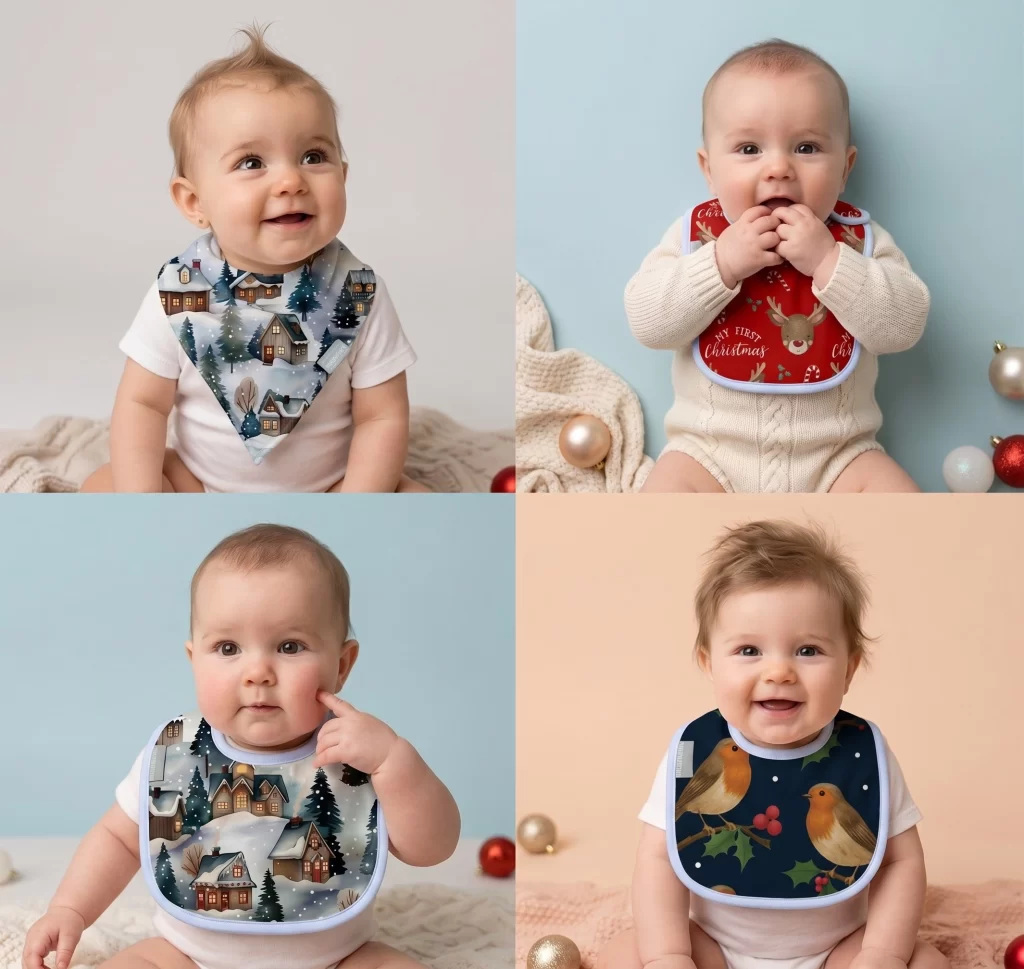
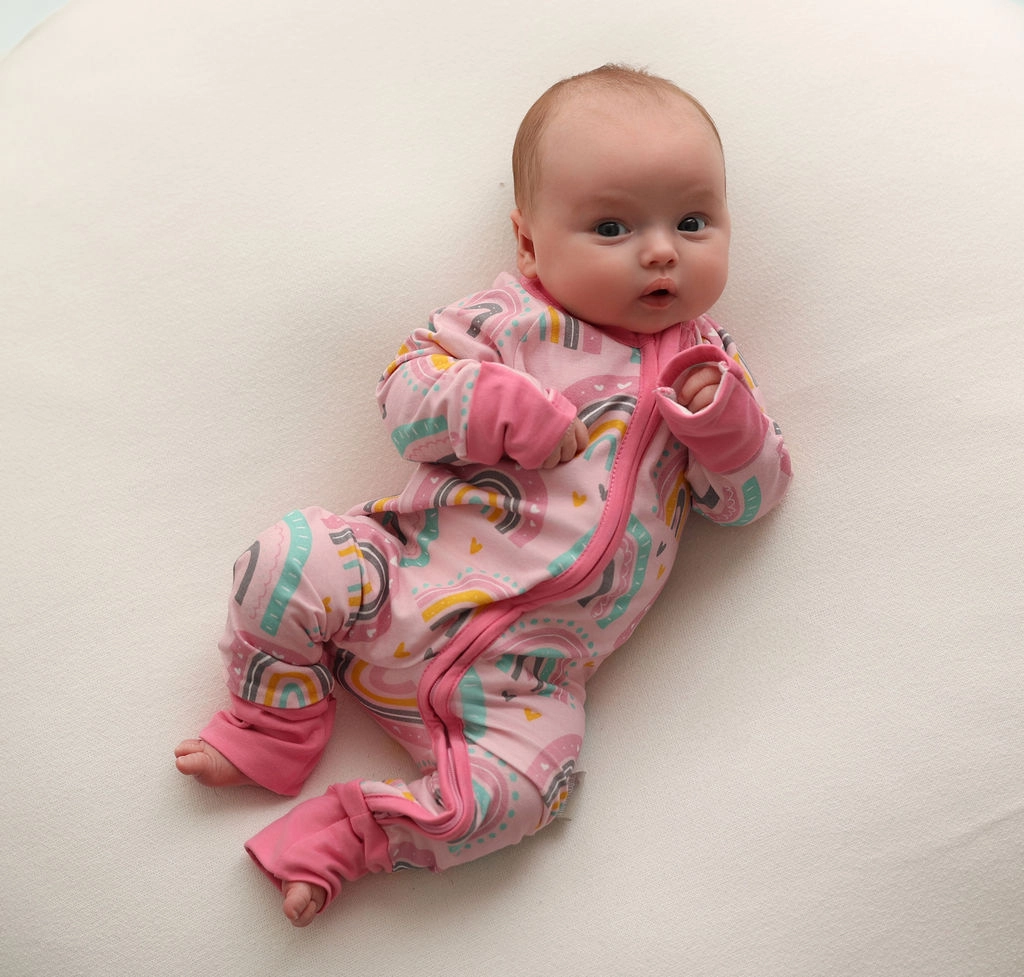
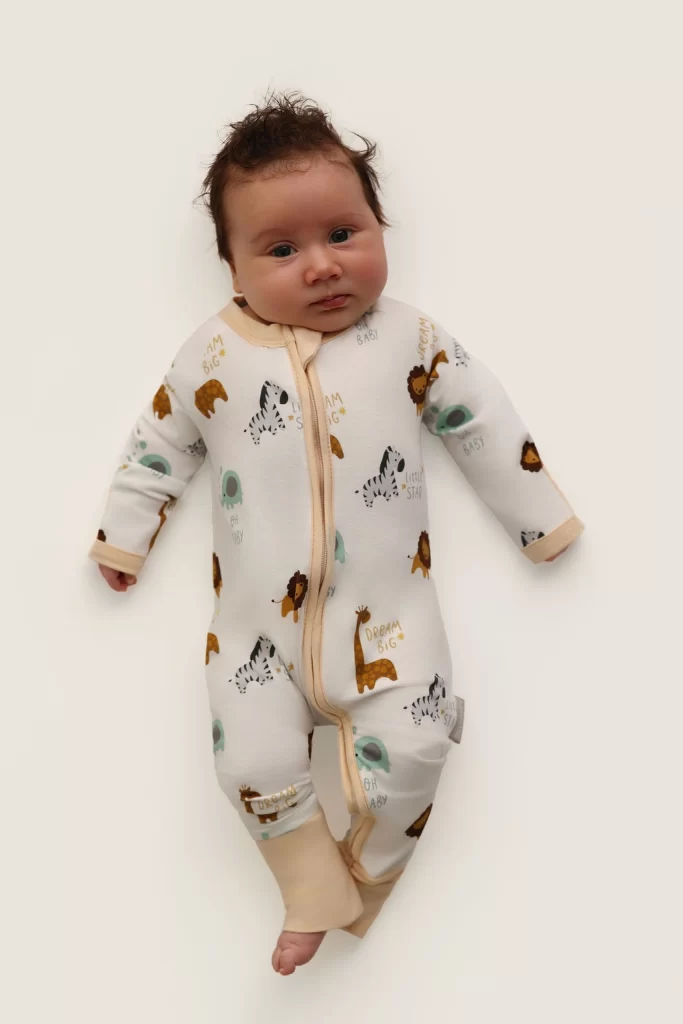

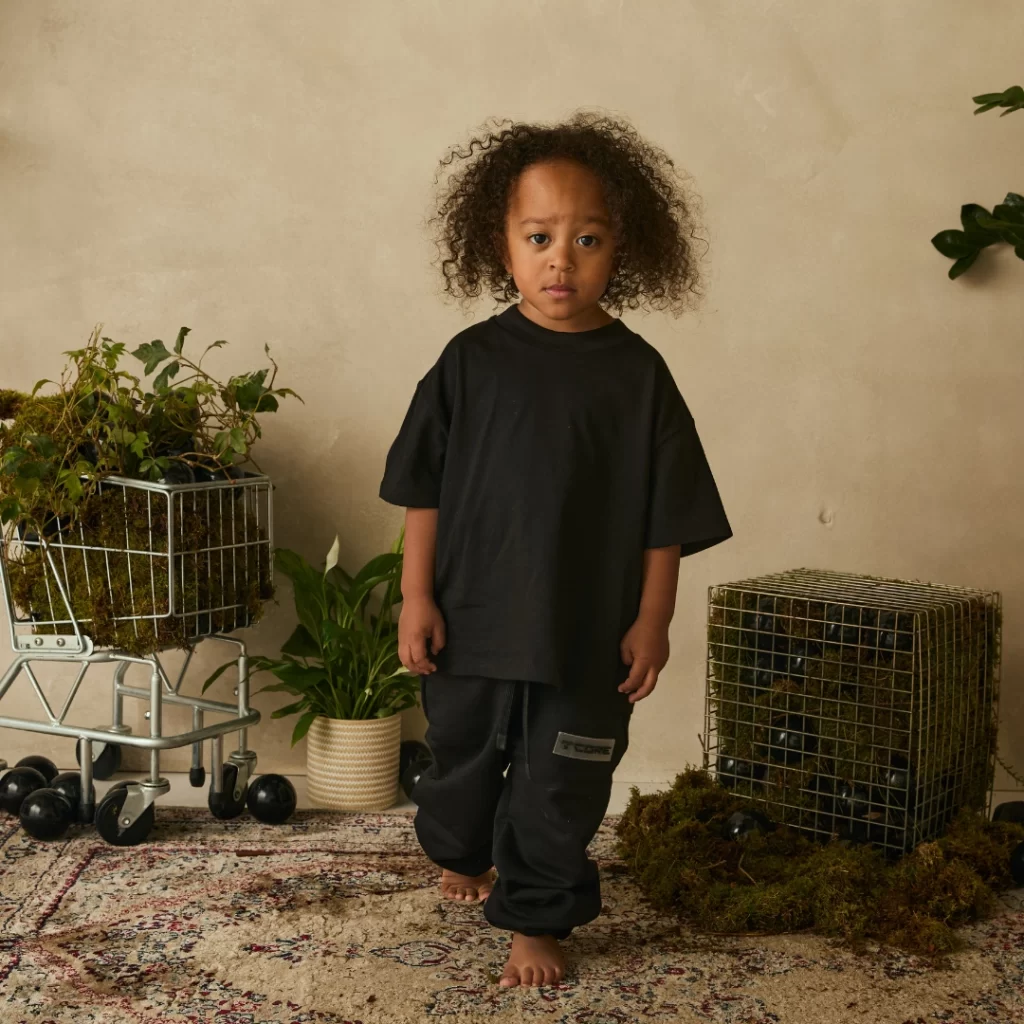
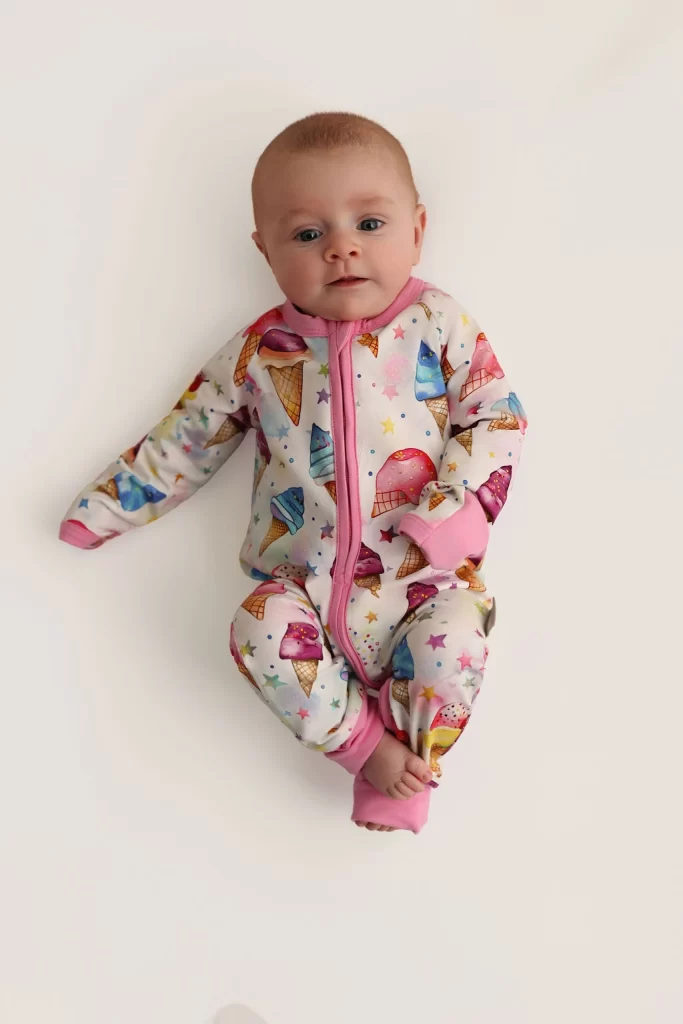
If you are looking to bring your baby and children’s clothing collection to life with a reliable production partner, K&B Fashion is at your service with over 25 years of manufacturing expertise and an international production infrastructure. We offer custom manufacturing solutions for your brand in multiple categories, including bodysuits, rompers, pajamas, tracksuits, t-shirts, sweatshirts, and more. Share your tech pack or product brief, and we will get back to you within 48 hours.
Baby and Children’s Clothing Manufacturer: Build Your Brand with a Trusted Partner
Looking for a reliable baby and children’s clothing manufacturer? With over 25 years of expertise and certified organic production, K&B Textile helps you grow your brand with confidence by supporting you at every stage, from design to global logistics.
Choosing the right garment manufacturer is the most critical decision an apparel brand will ever make. Production quality, safety compliance, delivery reliability, and your ultimate scalability all hinge on this single choice. Since 1997, K&B Textile has established itself as a premier baby and children’s clothing manufacturer, operating from its dedicated facility in Izmir and exporting high-quality garments to top brands across Europe and the United States. Every stage of production, from the initial concept sketch to the final packaged shipment, is managed under one roof with complete transparency at every step.
This comprehensive guide walks you through the essential factors that separate a competent manufacturing partner from a basic supplier, covering crucial topics such as fabric selection, international certifications, production workflows, quality control, and factory evaluation metrics. Whether you are launching your very first collection or scaling an established children’s wear line, the insights covered here will determine how confidently your brand enters the global marketplace.
A comprehensive baby and children’s clothing manufacturer manages the entire apparel production cycle, from raw material sourcing and pattern development to final labeled, packaged products ready for retail, e-commerce, or global export. This workflow involves far more than basic garment construction. Childrenswear requires strict safety tolerances, specialized materials tested for skin sensitivity, and engineered construction methods designed to withstand the active wear of fast-growing bodies.
While K&B Textile manufactures across men’s, women’s, and children’s apparel sectors, the facility maintains deep, specialized expertise in baby and kids’ wear production. The company’s diverse product portfolio includes rompers, coordinated children’s sets, t-shirts, hoodies, tracksuits, outerwear, dresses, and activewear, fabricated using either organic or conventional textiles based on brand requirements. By consolidating fabric cutting, printing, embroidery, sewing, quality assurance, and packaging within a single vertical facility, K&B Textile ensures fewer handoffs, rigid quality control, and a highly consistent manufacturing output for every production run.
Understanding this full-service, vertically integrated model is essential when evaluating production partners; when a factory maintains direct internal control over each production stage, it assumes full accountability for the final product quality. Conversely, manufacturers that rely heavily on third-party subcontractors introduce high variability risks at every outsourced phase of the supply chain.
OEM (Original Equipment Manufacturer) and ODM (Original Design Manufacturer) are the two primary frameworks that define how apparel brands collaborate with garment factories. Understanding the distinction between these two systems dictates how you structure your entire product development phase. Under the OEM production model, your brand provides the complete design files—typically communicated via a detailed technical specification packet or tech pack—and the factory executes the manufacturing according to your exact blueprints. In contrast, the ODM production model allows brands to select and adapt pre-developed designs from the manufacturer’s existing product library, customizing them with unique branding, curated color palettes, and private labels.
K&B Textile operates fully across both operational frameworks. For emerging brands, the ODM model offers a rapid, capital-efficient route to market, allowing you to validate a specific childrenswear category without investing heavily in custom pattern engineering from scratch. For established enterprises with proprietary designs, the OEM model guarantees absolute creative and commercial control over the collection. The structural capability to transition seamlessly between these two models as your company scales is a significant operational asset; it ensures your production partner expands with you rather than limiting your growth.
Private label manufacturing is integrated directly within this flexible framework, where K&B Textile produces garments completely branded under your identity—including custom woven labels, hangtags, care instructions, and specialized retail packaging. For businesses establishing a cohesive e-commerce or retail apparel line, this unified private label approach eliminates the complex operational overhead of managing fabric sourcing, garment manufacturing, brand detailing, and logistics across multiple disconnected suppliers.
In childrenswear, the fabric decision dictates every subsequent phase of development, impacting safety testing profiles, market positioning, manufacturing complexity, and unit costs. Organic cotton remains the most demanded raw material for a baby and children’s clothing manufacturer because it is cultivated without synthetic pesticides and is certified to be safer for the sensitive skin of newborns. At K&B Textile, organic cotton production is backed by OCS (Organic Content Standard) and GOTS (Global Organic Textile Standard) certifications, verifying the organic integrity of the textile from the farm to the finished garment.
Bamboo fabric has seen a significant surge in demand for baby sleepwear and children’s loungewear due to its natural softness, breathability, and thermoregulating properties. In addition to natural bamboo, K&B Textile manufactures using organic cotton, linen, Ecovero viscose, and recycled polyester. For brands building an eco-conscious childrenswear line, these sustainable material configurations satisfy the growing expectations of parents who demand supply chain accountability rather than mere marketing claims.
Beyond organic options, K&B’s comprehensive fabric catalog includes 100% cotton, cotton/elastane blends, polyester blends, modal, Coolmax, Tencel, satin, and silk, providing brands with the exact flexibility to match raw materials with specific end-use garment categories. A manufacturing partner with true textile expertise will guide you in selecting the correct material composition for each garment type, supply physical counter-samples before production commitments, and maintain full transparency regarding how each fabric choice impacts your Minimum Order Quantity (MOQ) and production lead times.
Certifications in childrenswear manufacturing are not decorative elements on a supplier profile; they are documented proof that your product and supply chain comply with the exact regulatory standards enforced in your target market. K&B Textile maintains GOTS, OCS 100, and RCS Blended (Recycled Claim Standard) certifications, covering organic content verification, recycled material traceability, and full-chain textile processing standards.
The GOTS certification is highly critical for brands positioned in the infant and baby apparel categories. This standard certifies not only that the raw cotton was grown organically, but also that the manufacturing facility operates without using synthetic chemicals that jeopardize the organic status of the textile. This factor is crucial for major retailers—particularly across Germany, the UK, and Scandinavia—who execute rigid supplier audits before onboarding new childrenswear lines. Partnering with a factory that already holds valid GOTS documentation substantially shortens this retailer onboarding process.
For brands targeting the United States marketplace, CPSIA (Consumer Product Safety Improvement Act) compliance is a strict legal mandate governing lead limits in dyes and hardware components used on children’s goods. Similarly, entering the European Union marketplace requires compliance with REACH regulations regulating chemical content in consumer textiles. Aligning with an experienced baby and children’s clothing manufacturer that understands the regulatory requirements of your specific target market, and can provide the necessary testing documentation, mitigates one of the most operationally demanding risks a new childrenswear brand will face. K&B Textile’s active memberships in the Aegean Exporters’ Associations and the Aegean Clothing Manufacturers Association reflect a manufacturing infrastructure built to satisfy international trade compliance expectations.
Realistic timelines for custom children’s clothing vary between 8 to 12 weeks from approved sample to delivery; reorders of established models are processed much faster. Factoring accurate lead times into your launch and replenishment planning is the most critical step to prevent project delays.
As a reliable clothing manufacturer, we manage every step from initial concept to final shipment integrated under one roof. Our design, pattern making, pre-production sampling (PPS), high-precision cutting, industrial sewing, and two-stage quality control processes are conducted fully to international standards. To review all technical details, phases, and operational workflows of our clothing production journey, please visit our our production processes page.
At K&B Tekstil, quality control is not merely a single inspection at the end of the line, but a structured, three-stage process; this is because catching an issue early is far less costly than addressing it in the finished product. The first inspection takes place during the sewing stage, where dimensions and construction are verified against the approved tech pack. The second inspection examines the finished garments in detail: seam durability, surface quality, print and embroidery consistency, and the security of buttons, snaps, or accessories.
Particularly in children’s wear, the attachment security of small parts is not a cosmetic detail, but a critical safety checkpoint. A detached button or decorative element poses a choking hazard and creates a product liability risk for your brand. The needle detection (metal detector) and optical inspection systems at the K&B facility provide an additional layer of security by detecting any metallic contamination or surface defects that manual visual inspection might miss. The final inspection confirms that every single unit in the outgoing shipment complies with the agreed specifications prior to packaging and dispatch.
For brands placing larger orders or working with a new manufacturing partner for the first time, independent third-party inspections (offered through services such as QIMA or Intertek) provide an external validation that complements the factory’s internal process. This cost is remarkably low compared to the risk of receiving a non-compliant production run that requires rework or destruction.
MOQ (minimum order quantity) is one of the first practical questions any brand must resolve with a potential manufacturer, directly determining how much capital is required to enter the market or test a new product category. K&B Tekstil’s production structure is designed to serve diverse buyer segments: offering lower MOQ options for independent designers, emerging brands, and boutique collections, alongside high-volume programs for established retailers and export-oriented buyers.
In the early stages of building a children’s wear brand, being able to start at a scale that aligns with your current business stage—rather than overcommitting to a volume you cannot sell—is a major commercial advantage. This allows you to test designs, gather market feedback, and establish a reorder history on proven performers before scaling production. As order volumes grow, the manufacturing relationship can evolve: enabling volume-based pricing, priority production scheduling, and increasingly efficient sampling processes as the partnership progresses.
K&B offers a rich selection of fabrics, including 100% cotton, modal, Tencel, satin, and silk, alongside sustainable alternatives. With our fabric expertise, we help you select the most accurate material for your brand’s target product.
K&B Tekstil operates at its facility in Izmir with a monthly production capacity of 30,000 units. This infrastructure supports both small collection orders and large-scale export programs without compromising on construction standards.
Izmir’s position as a major Turkish textile and export hub provides practical advantages for international buyers. Proximity to fabric mills, trim suppliers, and export logistics reduces lead times and shipping costs compared to more remote production locations. Turkey’s trade agreements with the EU also influence customs duty calculations for European buyers.
The integrated facility structure, where every production stage from cutting to final packaging takes place under one roof, allows K&B to directly oversee quality at every point of handover. In manufacturing, transitions between departments are where errors most commonly occur; eliminating subcontracting during these stages removes a major source of variability from your supply chain.
Turkey has established itself as a premier manufacturing destination for European and American children’s wear brands, positioning itself between lower-cost but higher-risk sourcing options in the East and more expensive domestic production alternatives in Western Europe. The combination of a skilled textile workforce, a robust fabric sector infrastructure, shorter transit distances to European markets, and an established regulatory familiarity with EU compliance requirements makes it a practical choice for brands prioritizing quality consistency and supply chain visibility.
K&B Tekstil’s registrations and approvals with the Republic of Turkey Ministry of Industry and Technology, alongside its memberships in the Aegean Region Chamber of Industry and the Izmir Chamber of Commerce, reflect a working environment that is subject to corporate audit and accountable to established commercial standards. For international buyers conducting supplier due diligence, these corporate memberships provide a verifiable baseline of legitimacy.
An infant and children’s wear manufacturer is only as valuable as the quality, consistency, and transparency it delivers. K&B Tekstil has been manufacturing in Izmir since 1997, building the infrastructure, certifications, and operational discipline required by international children’s wear brands from a production partner. The combination of GOTS and OCS organic certification, three-stage quality control, integrated production, and flexible MOQ options satisfies all the requirements that brand creators encounter when developing and scaling a children’s wear collection.