Women’s Clothing
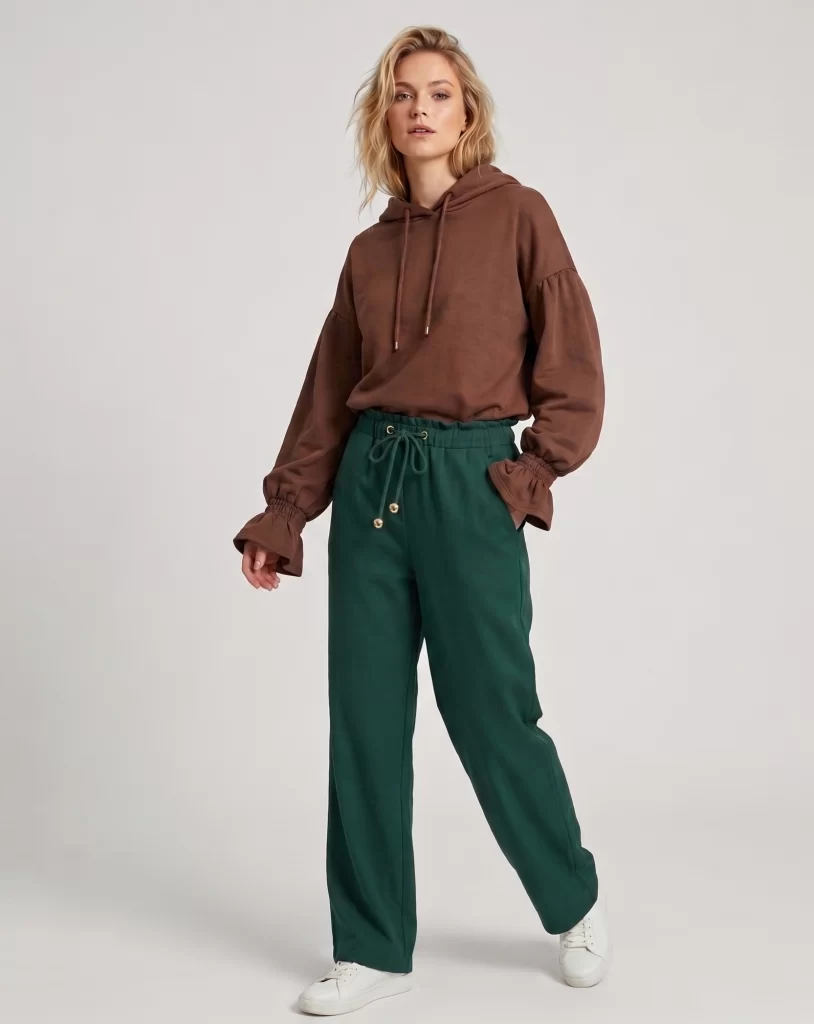
Women’s Clothing Manufacturer
K&B Tekstil combines modern lines with superior production quality in the world of women’s apparel. By blending our industry experience with unique designs that match the dynamism of women’s fashion, we create world-class collections. With our use of organic materials and sustainable production principles, we represent not only elegance but also an eco-conscious approach to fashion. Make elegance and comfort a part of your style with K&B Tekstil.
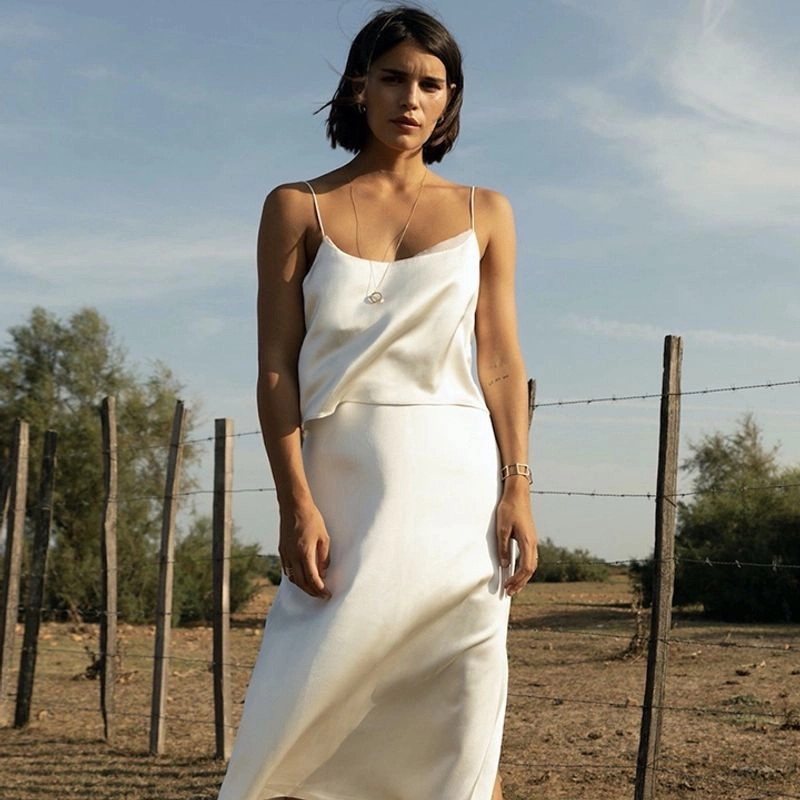
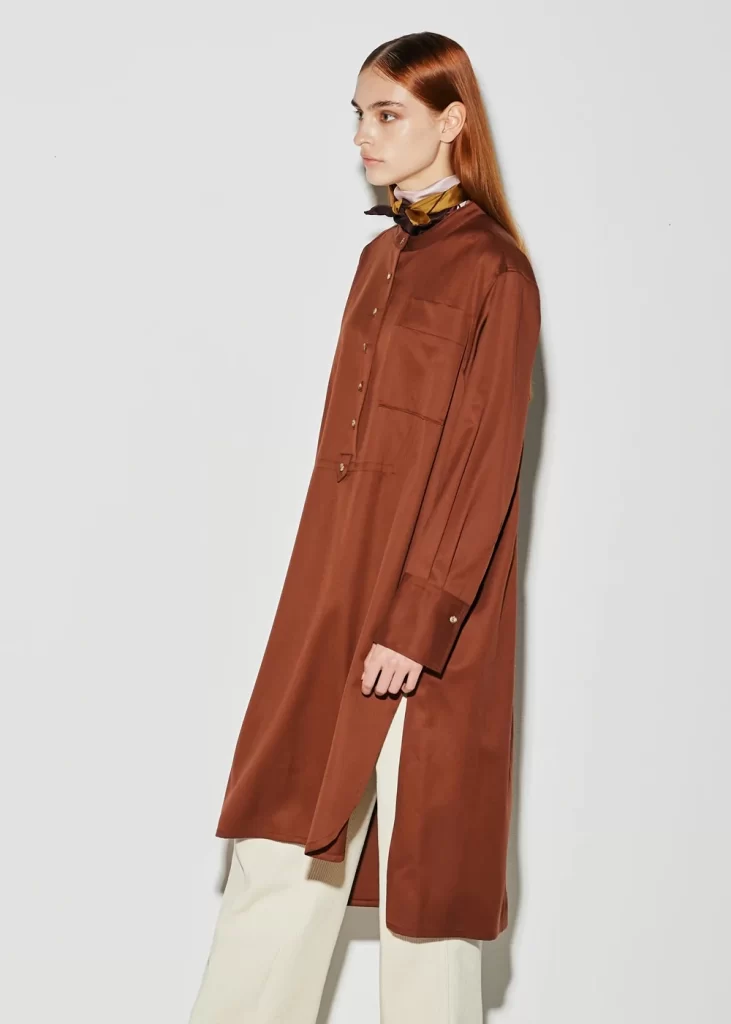
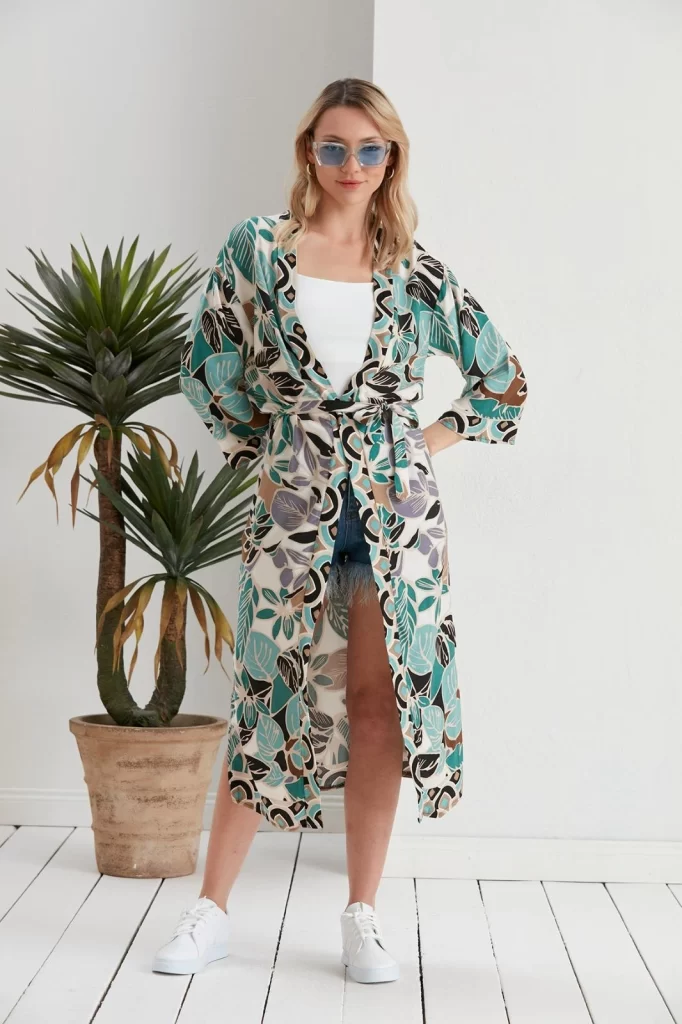
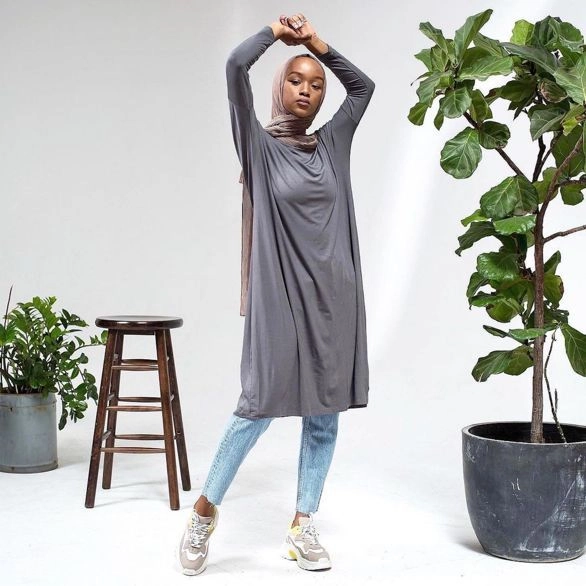
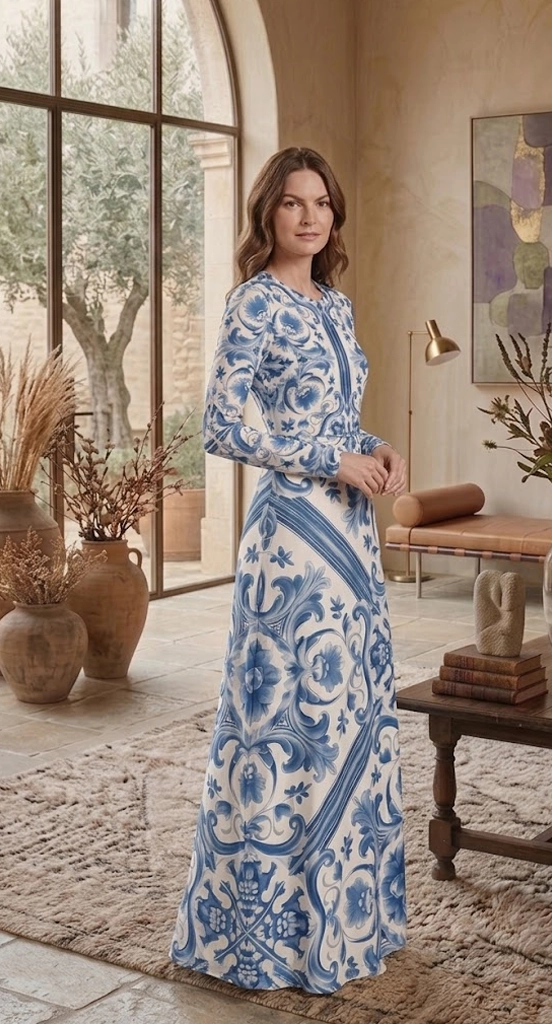
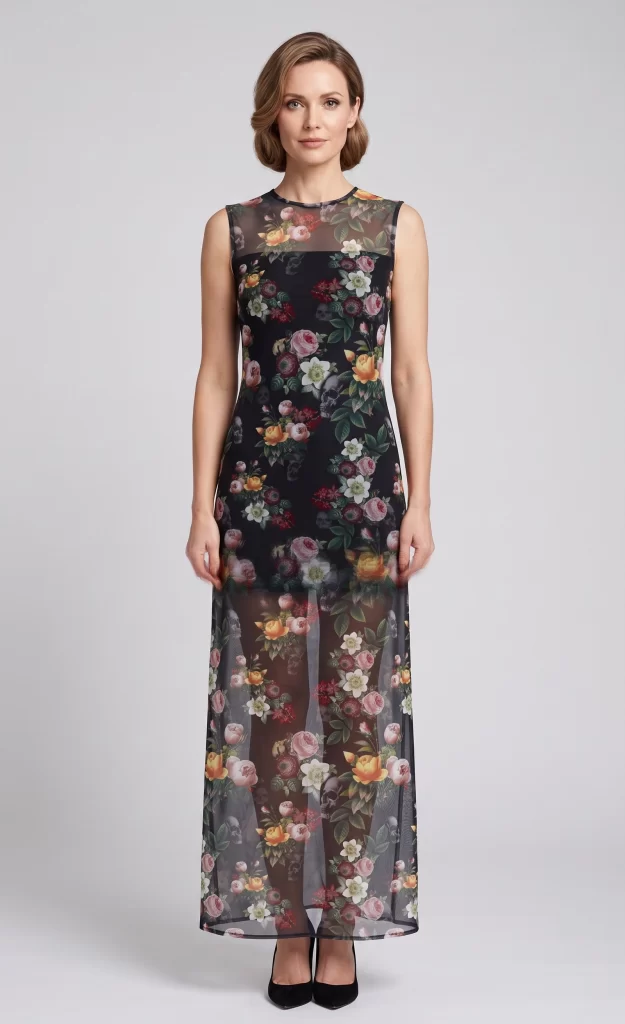
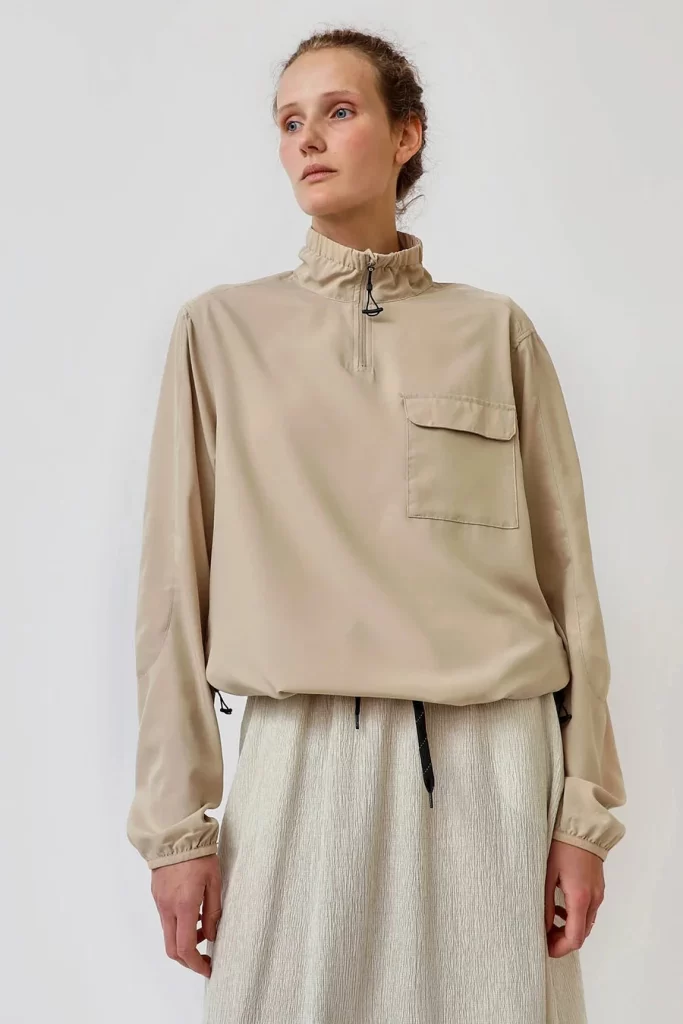
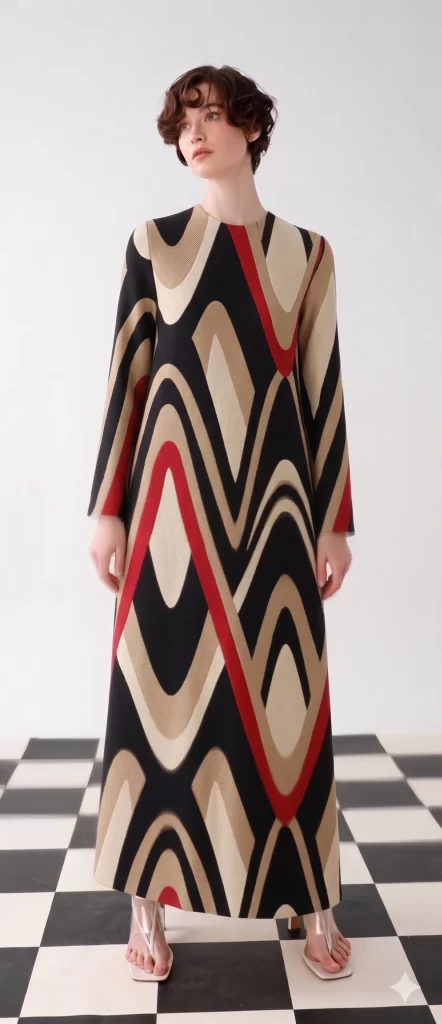
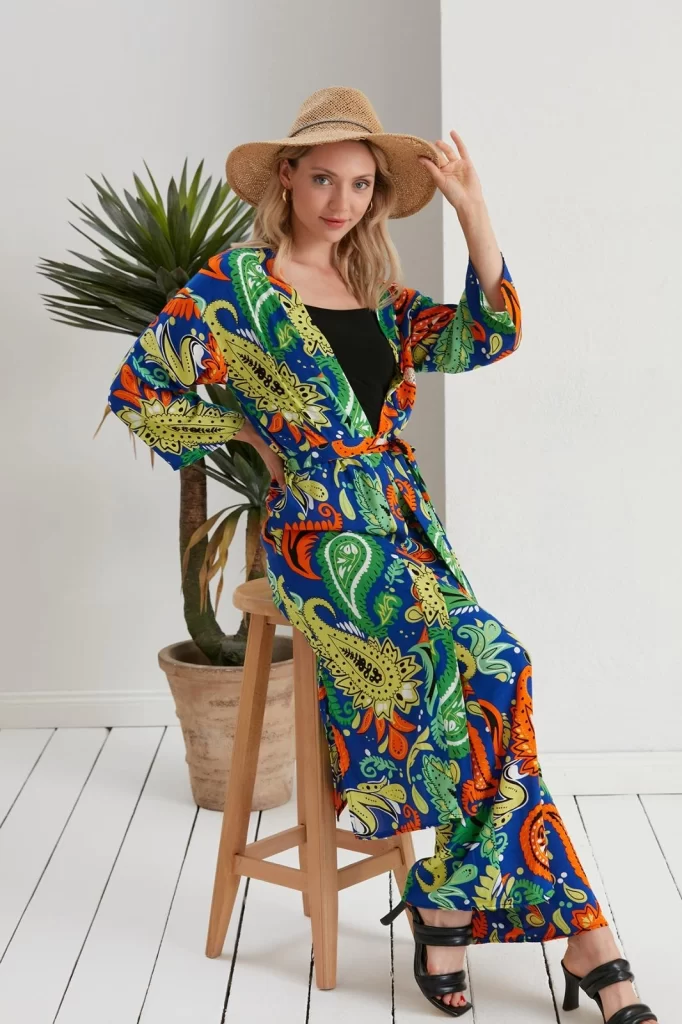

If you are looking for the right manufacturing partner to bring your women’s wear collection to life, K&B Moda is ready to serve you with over 25 years of experience and an international production infrastructure. Send us your tech pack or product brief, and we will get back to change you within 48 hours.
Women’s Clothing Manufacturer in Turkey
Your Complete Guide to Partnering with K&B Tekstil
Looking for a reliable clothing manufacturer in Turkey? As one of Turkey’s leading apparel companies, KB Tekstil also operates as a premier women’s clothing manufacturer with its extensive production capacity. With GOTS, OCS 100, and RCS Blended certifications, over 25 years of experience, and direct access to European markets, we offer certified end-to-end women’s ready-to-wear manufacturing from Izmir.
Finding the right manufacturing partner for women’s apparel is one of the most consequential decisions a fashion brand or wholesale buyer makes. A women’s clothing manufacturer in Turkey combines the advantages of European proximity, strong textile heritage, and competitive production costs — but not all manufacturers are equal in capability, certification depth, or product range. This guide introduces K&B Tekstil’s production approach, explains what sets Turkish manufacturing apart, and outlines exactly what international buyers can expect when working with an integrated İzmir-based facility.
Whether you are sourcing a capsule wardrobe collection, building a private label brand, or scaling a wholesale order for resort wear or modest fashion, this page covers everything you need to make an informed sourcing decision.
Turkey has established itself as one of the world’s most reliable origins for women’s clothing production, and the reasons go well beyond cost. The country sits at the intersection of Europe, the Middle East, and Central Asia — a geographic position that translates directly into shorter lead times and lower freight costs for brands serving European and US markets. İzmir, in particular, benefits from direct port access through the Port of İzmir, one of the busiest export gateways in the Mediterranean.
Beyond logistics, Turkey’s textile industry carries decades of accumulated knowledge in woven fabric production, quality control, and export compliance. Manufacturers registered with the Ministry of Industry and Commerce and affiliated with bodies such as the Aegean Exporters’ Association (EGİB) operate within a framework of regulatory accountability that many low-cost manufacturing regions cannot match.
For buyers who have experienced the delays and quality inconsistencies of sourcing exclusively from Asia, Turkey offers a credible alternative — one where sampling rounds move faster, communication barriers are lower, and delivery schedules are genuinely predictable.
K&B Tekstil has been manufacturing women’s clothing since 1997, making it one of the more established mid-size producers in the Aegean region. That span of time matters more than it might initially appear: it represents not just experience, but accumulated supplier relationships, refined quality control systems, and a production culture that knows how to absorb the unexpected pressures of international fashion cycles.
From its early years as a contract manufacturer (fason üretici) serving regional brands, K&B has evolved into an end-to-end production facility capable of handling everything from initial tech pack review to final export packaging. The facility holds Ministry of Industry registration and active EGİB membership — both of which are verifiable credentials that carry weight with compliance-conscious buyers.
The practical implication for brands is straightforward: when you work with a manufacturer that has navigated twenty-five seasons of changing buyer demands, sustainability shifts, and certification requirements, you are engaging a partner with institutional knowledge that newer facilities simply have not had time to build.
K&B manufactures across a broad range of women’s clothing categories, which means buyers can consolidate multiple product types under a single manufacturing relationship rather than managing several suppliers simultaneously.
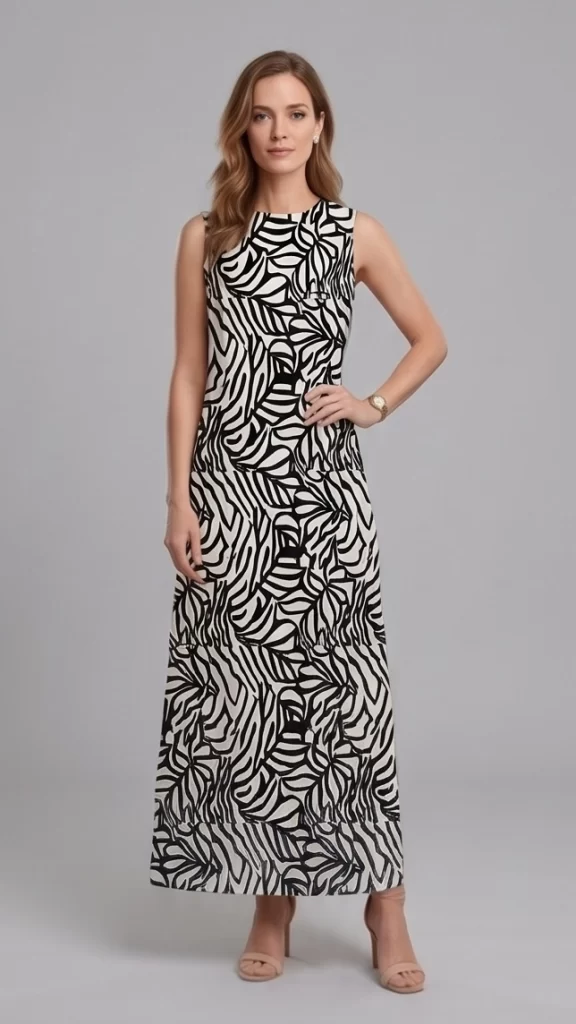
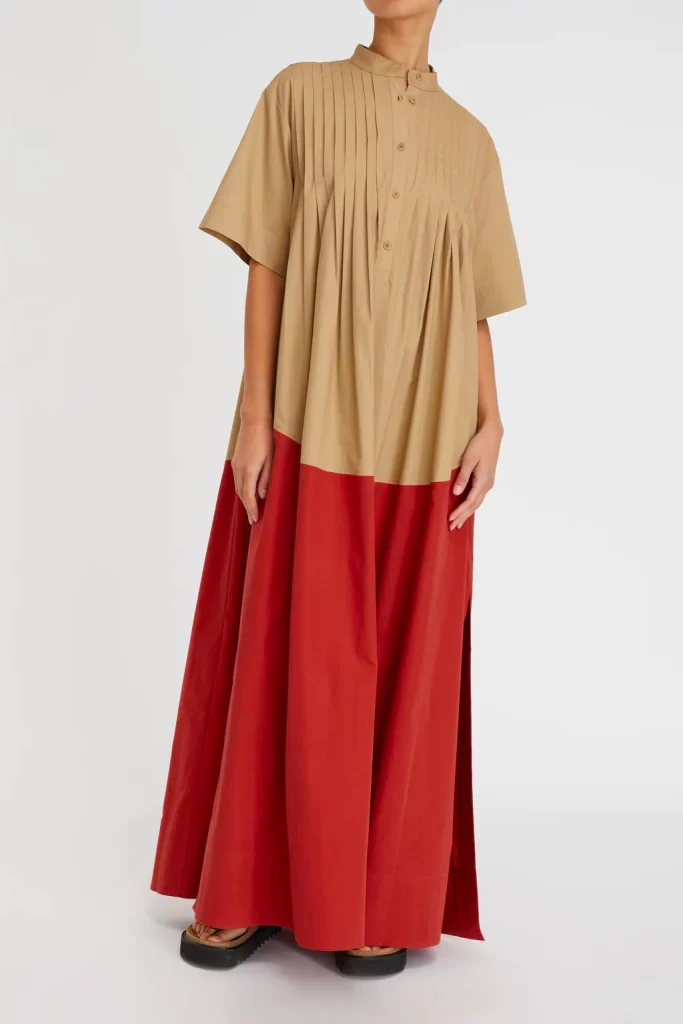
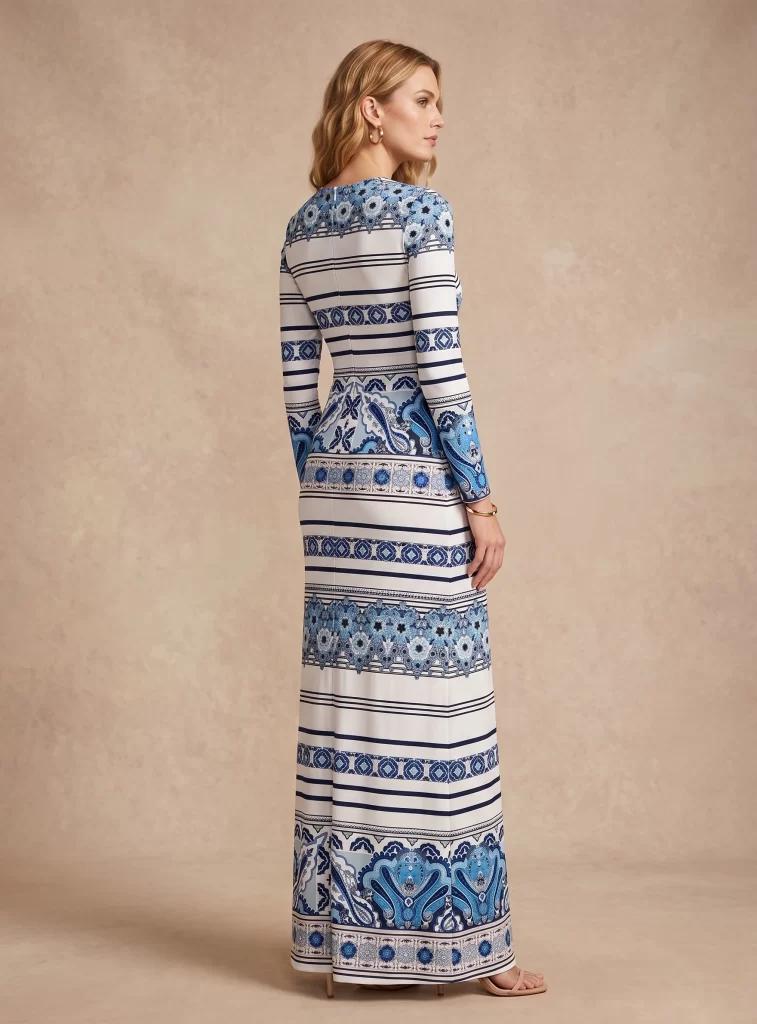
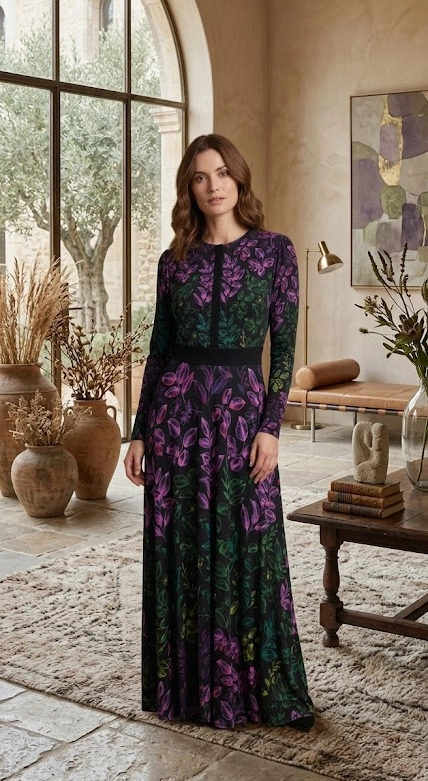
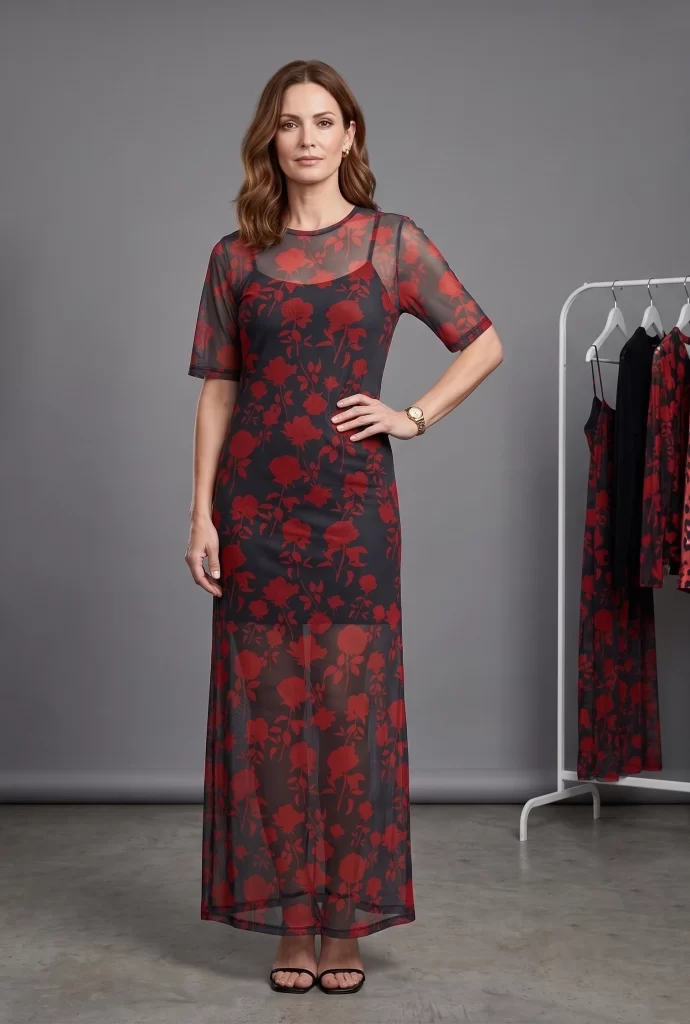
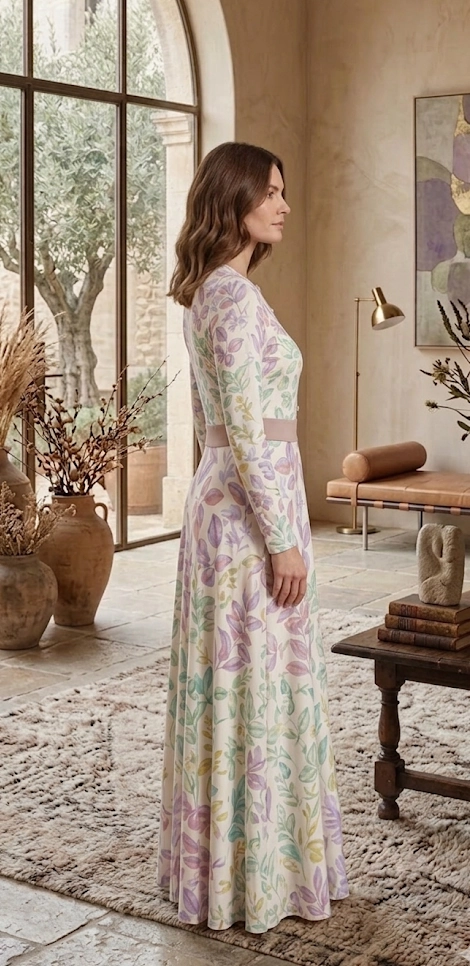
Dresses form the core of the production range. This includes printed maxi dresses, color block styles, boho-influenced tiered designs, and linen shirt dresses suited to resort wear and warm-weather wholesale collections. The facility’s experience with woven fabrics makes it particularly well-suited to fluid, structured, and layered dress constructions.
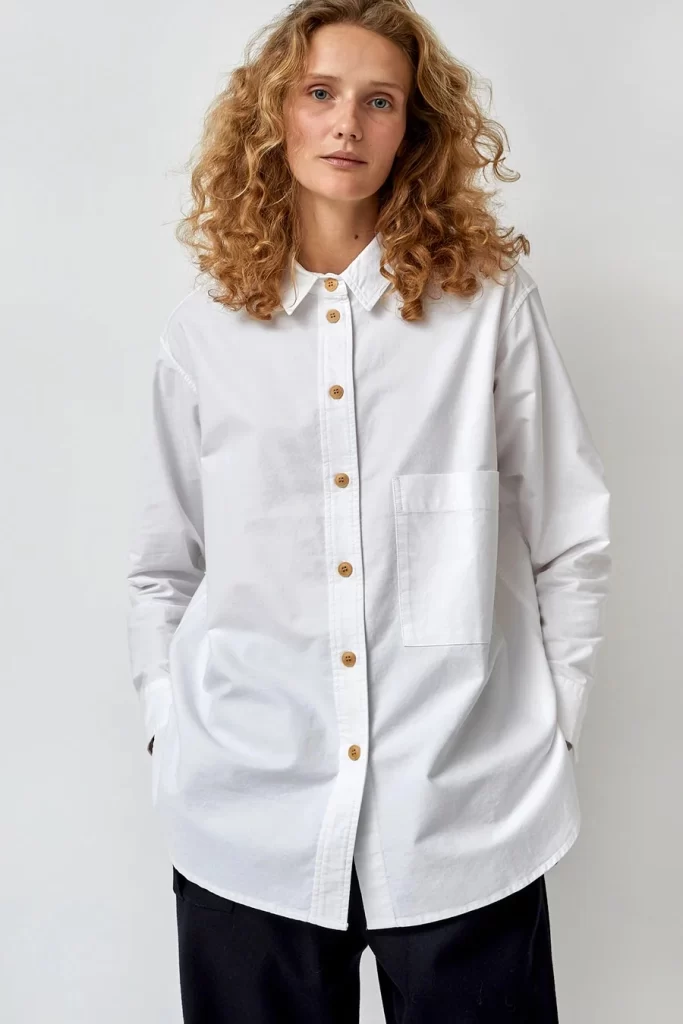
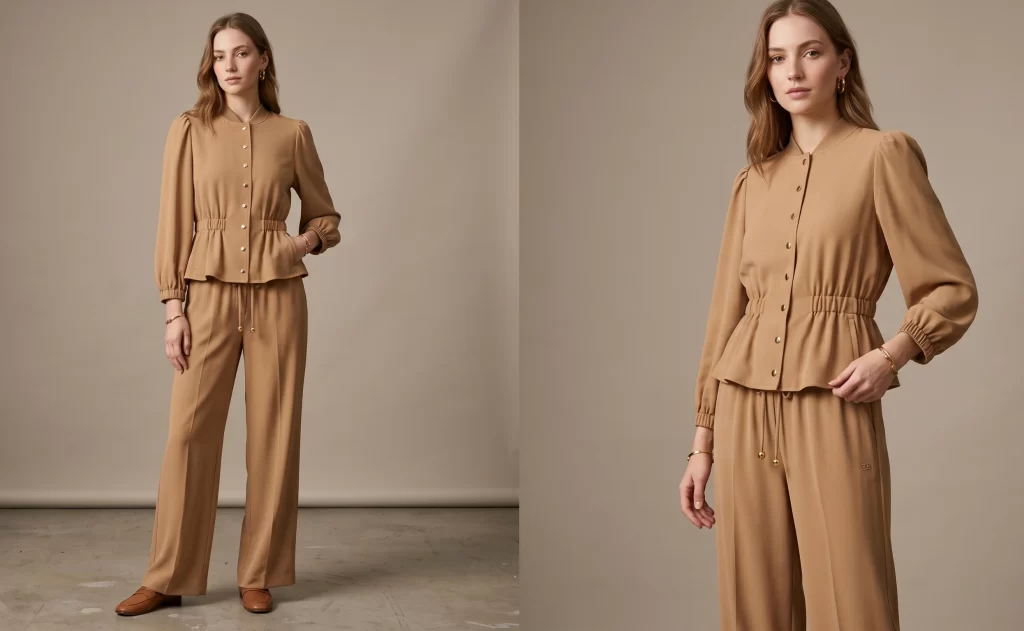
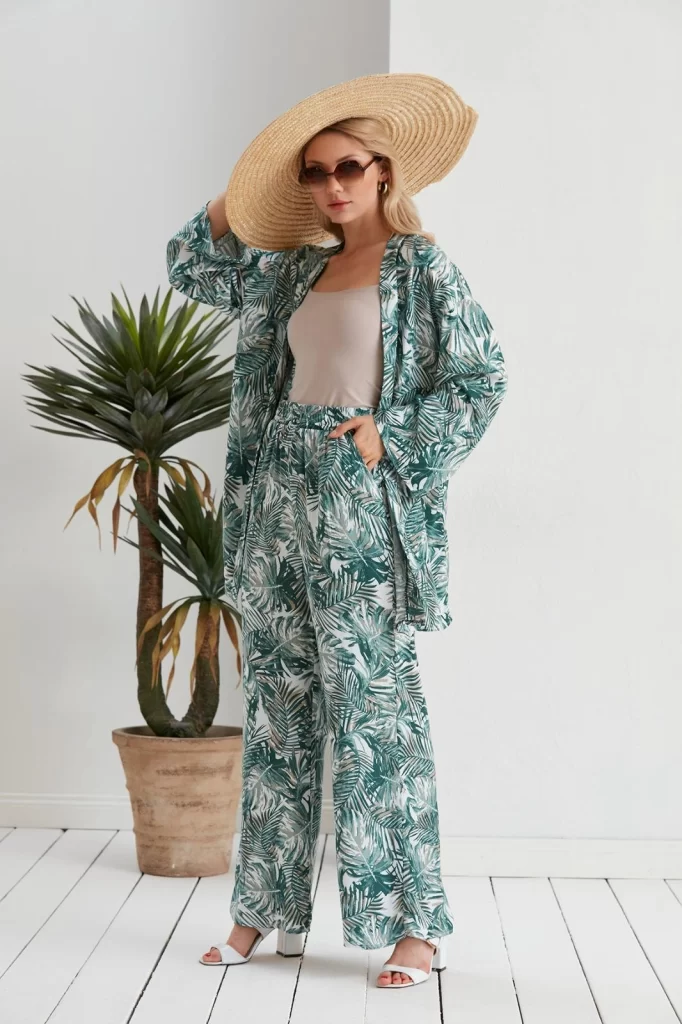
Blouses and tops — including poplin blouses, linen shirts, and satin blouses — represent another significant category. These are consistently among the highest-demand items for private label buyers building entry-level luxury or quiet luxury collections. Sets and two-piece coordinates, which have grown sharply in relevance for both loungewear and occasion wear markets, are also produced in-house. For buyers seeking modest fashion options — longline tunics, wide-leg coordinates, and layered styles — K&B’s range addresses a niche that most competitor manufacturers do not serve with dedicated capacity.
The fabric choices available to buyers reflect a deliberate commitment to sustainable sourcing, and this is an area where K&B’s range is meaningfully wider than what most Turkish manufacturers can offer.
Natural Bamboo — bamboo fabric is selected for its soft hand feel and breathable structure, making it well-suited to loungewear, lightweight blouses, and warm-climate resort wear collections. Organic Cotton, grown without synthetic fertilizers or harmful pesticides, forms the foundation of K&B’s natural fiber offering — used across dresses, tops, and two-piece sets where skin contact comfort is a priority.
Linen brings durability and lightness to seasonal collections; its natural texture performs strongly in boho dress and linen shirt dress categories. EcoVero Viscose, derived from sustainably certified wood sources, delivers the fluid drape expected of viscose while significantly reducing the environmental footprint compared to conventional viscose production. RWS Wool (Responsible Wool Standard) is sourced from certified farms with verified animal welfare and land management practices — relevant for buyers whose customers scrutinize supply chain ethics.
Recycled Polyester, produced from reprocessed materials, supports resource efficiency goals without compromising fabric performance in technical or blended constructions. Finally, blended organic fibers — combinations of organic cotton, linen, and other certified natural inputs — allow K&B to optimize for durability, comfort, and sustainability within a single fabric choice. For buyers building collections around a sustainability narrative, this breadth of certified material options is a genuine commercial asset.
Certifications are increasingly non-negotiable for European buyers, and K&B holds three of the most widely demanded standards in the sustainable fashion supply chain.
GOTS (Global Organic Textile Standard) is the most rigorous certification available for organic textiles. It covers not only the organic origin of raw materials but the entire processing chain — dyeing, finishing, and social criteria at the production facility. When your brand communicates “organic” to end consumers, GOTS certification is what makes that claim auditable and credible.
OCS 100 (Organic Content Standard 100) verifies that a product is made entirely from organically grown material. It is distinct from GOTS in that it focuses on material content traceability rather than the full processing chain — but for buyers whose customers want to verify fiber origin, OCS 100 provides a recognized and trusted audit trail.
RCS Blended (Recycled Claim Standard) applies to products containing recycled content, such as recycled polyester blends. It provides chain-of-custody verification from the point of recycling through to the finished garment. For brands building collections that include recycled materials — increasingly important for EU market compliance — RCS Blended certification is the standard buyers and retailers will ask for. Holding all three simultaneously is uncommon among Turkish manufacturers and represents a meaningful point of differentiation for K&B.ur.
Understanding how an order moves through a facility is essential for buyers calculating lead times and managing collection launches. K&B operates an integrated production line, meaning each stage below is completed in-house rather than subcontracted.
Custom packaging and export — Buyers can specify woven labels, hang tags, and custom packaging requirements. Completed orders are exported via İzmir’s port infrastructure, with documentation prepared to meet EU and US import compliance requirements.
Tech pack review and design alignment — K&B’s technical team reviews buyer-submitted tech packs (production specification documents) and flags any construction, fabric, or sizing issues before sampling begins. This step prevents costly errors from compounding into production.
Fabric sourcing and sampling — Based on approved specifications, fabrics are sourced from verified suppliers and sample garments are produced. Buyers typically receive pre-production samples within an agreed sampling lead time before bulk production is authorized.
Cutting and assembly — Approved patterns move to the cutting floor, where fabric is cut to specification and assembled by experienced sewing teams. K&B’s integrated line means cut and sew operations share the same quality oversight.
Quality control and final inspection — Finished garments go through structured quality control (KK) checks before any packing takes place. Final inspection verifies measurements, stitching, fabric integrity, and labeling against the original tech pack.
K&B supports both private label production — where buyers supply their own branding, labels, and packaging specifications — and OEM/ODM (Original Equipment Manufacturer / Original Design Manufacturer) arrangements, where the manufacturer contributes to or leads the design process.
For established brands with defined collections, private label production at K&B means your tech packs and brand standards are applied to a manufacturing process that already has the certified fabric range, the quality systems, and the export capacity to fulfill orders reliably. For newer brands or buyers exploring category expansion, ODM services allow K&B’s design and technical team to develop styles to brief — reducing the resource burden on the buyer while retaining full private labeling rights.
Minimum order quantities (MOQ) are structured to accommodate both growing brands and established wholesale buyers. Specific MOQ figures are best confirmed during the quotation process, as they vary by product category, fabric choice, and order complexity.
The logistical advantage of sourcing from İzmir is concrete and quantifiable. İzmir sits approximately 2,000 km from major Central European distribution hubs — a distance covered in three to four days by road freight and roughly similar by sea. Compare this to 20–30 day transit times from East Asian manufacturing centers and the operational implications become clear: faster re-order cycles, reduced buffer stock requirements, and greater responsiveness to in-season demand shifts.
For EU-based buyers, Turkish origin also carries customs advantages under the EU-Turkey Customs Union, which eliminates import duties on industrial goods including most apparel categories. This is a cost factor that is often underweighted in initial sourcing comparisons but compounds significantly at volume. US-based buyers benefit from Turkey’s generally favorable trade relationship and the flexibility of air freight for smaller urgent replenishments alongside standard sea freight for bulk orders.